

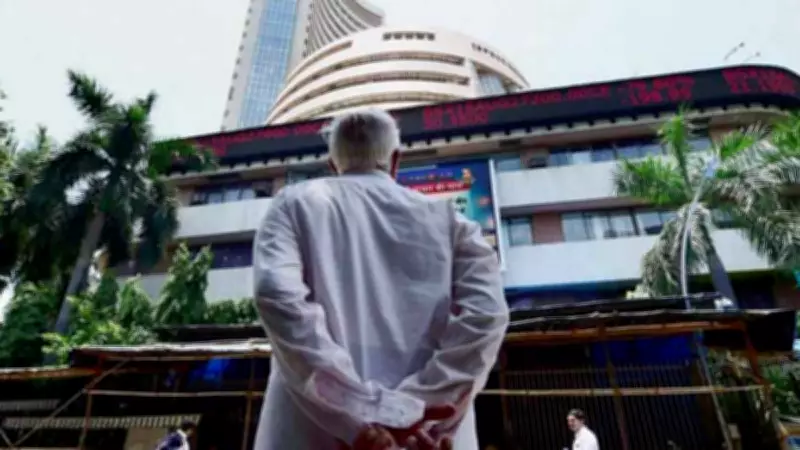
Indian Stock Markets Plunge on Geopolitical Fears
The Indian equity markets witnessed a severe sell-off at the opening bell on Monday, as escalating geopolitical tensions in the Middle East sent shockwaves through global financial markets. The benchmark indices, Sensex and Nifty, registered steep declines, reflecting heightened risk aversion among investors.
Sharp Decline in Key Indices
The BSE Sensex plummeted by a staggering 2,700 points in early trading, marking one of the most significant single-day drops in recent months. Similarly, the NSE Nifty 50 index breached the critical 24,700 level, trading significantly lower as bearish sentiment dominated the market.
This sharp correction was primarily driven by a broad-based sell-off across sectors, with banking, financial services, and energy stocks bearing the brunt of the selling pressure. Market analysts attributed the downturn to increased uncertainty and flight to safety amid the deteriorating situation in the Middle East.

Impact of Middle East Tensions
The renewed conflict in the Middle East has rattled investors worldwide, leading to a massive outflow of funds from riskier assets like equities. Key factors contributing to the market turmoil include:
- Rising crude oil prices due to supply disruption fears
- Strengthening of the US dollar as a safe-haven currency
- Anticipated volatility in global trade and economic stability
These developments have exacerbated concerns over inflation and potential interest rate hikes, further dampening market sentiment. The Indian markets, which had been trading near record highs, are now facing a correction phase as investors reassess risk exposure.
Market Outlook and Expert Views
Financial experts caution that the market may remain volatile in the near term, with geopolitical developments likely to dictate trends. Investors are advised to adopt a cautious approach and focus on fundamentally strong stocks with robust growth prospects.
While the immediate outlook appears bearish, some analysts believe that this correction could present buying opportunities for long-term investors, provided the geopolitical situation does not escalate further. Monitoring global cues and domestic economic indicators will be crucial in the coming sessions.






