

Indian Stock Markets Witness Severe Downturn Amid Global Turmoil
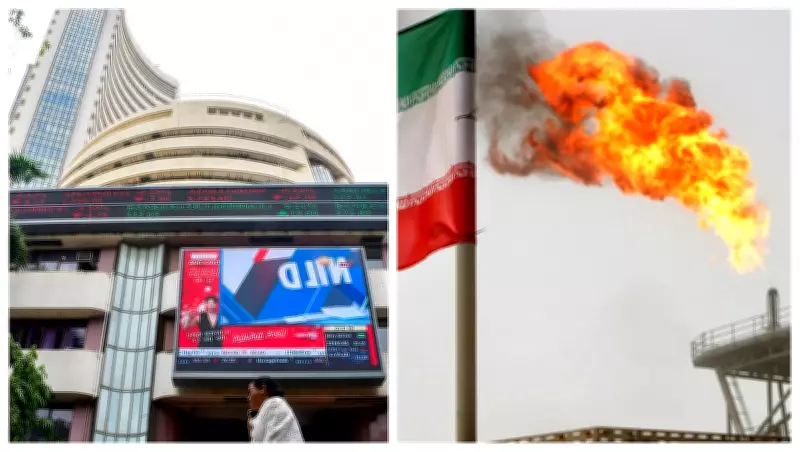
The Indian stock market faced a significant setback today, with major indices plummeting sharply as investors reacted to escalating geopolitical tensions and surging energy costs. The benchmark Sensex crashed by a staggering 2,345.89 points, reflecting widespread panic and uncertainty in the financial landscape.
Crude Oil Prices Fuel Market Anxiety
One of the primary drivers behind this market collapse is the rapid increase in crude oil prices. Global oil markets have been experiencing volatility, with prices reaching boiling levels due to supply disruptions and heightened demand pressures. This surge in energy costs has direct implications for the Indian economy, which is heavily reliant on oil imports, leading to fears of inflationary pressures and reduced corporate profitability.
Ongoing Middle East Conflict Exacerbates Volatility
Compounding the market woes is the ongoing conflict in the Middle East, a region critical to global oil production and stability. The geopolitical strife has created an environment of uncertainty, prompting investors to adopt a risk-averse stance. The conflict's potential to disrupt oil supplies further has added to the market's nervousness, contributing to the sharp sell-off observed in Indian equities.

Market analysts note that the combination of high oil prices and geopolitical risks has triggered a broad-based decline across sectors. Banking, energy, and automobile stocks were among the hardest hit, as these industries are particularly sensitive to changes in oil prices and economic stability. The Nifty 50 index also mirrored this downturn, falling significantly alongside the Sensex.
Investor Sentiment and Future Outlook
The sudden market crash has left investors grappling with heightened volatility and concerns about the near-term economic outlook. Financial experts emphasize the need for caution and diversification in such turbulent times. While some view this downturn as a temporary correction, others warn that sustained high oil prices and prolonged conflict could lead to more profound economic challenges, including slower growth and increased fiscal deficits.
In response to the market plunge, regulatory bodies and policymakers are closely monitoring the situation. There are calls for strategic interventions to stabilize markets and mitigate the impact of external shocks on the domestic economy. However, the immediate focus remains on how global events, particularly in the Middle East, will evolve and their subsequent effects on oil prices and investor confidence.
This episode underscores the interconnectedness of global markets and the vulnerability of emerging economies like India to external geopolitical and economic factors. As the situation develops, market participants are advised to stay informed and prepared for potential fluctuations in the coming days.






