

US Equities Slide Toward Longest Weekly Losing Streak in Nearly Four Years
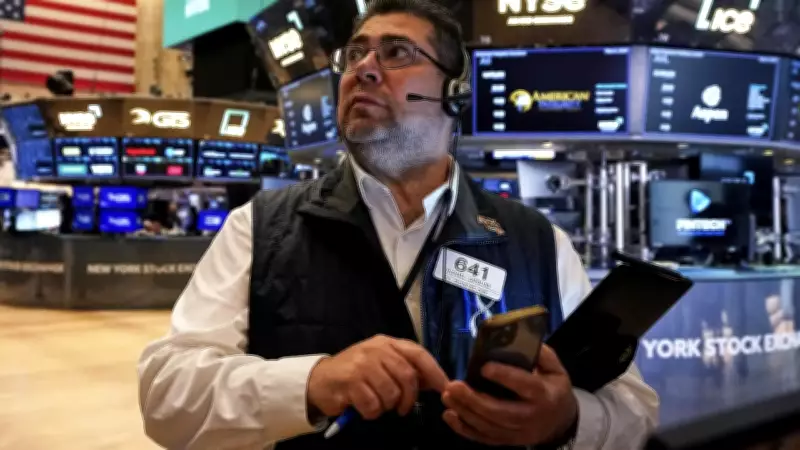
US equities traded sharply lower on Friday, heading toward their longest weekly losing streak in nearly four years, as investors grappled with rising oil prices and persistent uncertainty surrounding the ongoing conflict involving Iran. According to an AP report, major indices slipped in early deals, reflecting a volatile week marked by alternating gains and losses that underscored shifting expectations around a potential de-escalation.
Market Indices Show Significant Declines
The S&P 500 was down 0.8%, the Dow Jones Industrial Average lost 402 points or 0.9%, and the Nasdaq Composite fell 1% in early trading. This weakness follows a turbulent week where market sentiment fluctuated dramatically, driven by geopolitical developments and energy market pressures.
Geopolitical Tensions Drive Market Volatility
Hopes for stability briefly improved after US President Donald Trump pushed back his deadline to April 6 for potential military action tied to Iran's control over the strategic Strait of Hormuz. However, this optimism proved short-lived as hostilities continued and no concrete diplomatic progress emerged, leaving investors in a state of heightened anxiety.

"The diplomatic dissonance this week between the US and Iran dismayed investors," said Doug Beath of Wells Fargo Investment Institute. "By the end of the week, risk appetite could not withstand the fog of war."
Oil Prices Surge Amid Supply Concerns
Crude prices, which initially softened after Trump's announcement, moved higher again through the trading day. Brent crude climbed 2.2% to $104.15 per barrel, while US crude advanced 3% to $97.28. Prices have risen sharply from around $70 levels seen before the conflict began, reflecting growing concerns about potential disruptions to energy supplies from the Persian Gulf, a key global transit route.
Jim Bianco of Bianco Research echoed the sentiment of market skepticism, stating: "Any further statements by Trump about a deal are white noise to the markets. Only if the Iranians say the talks are going well will it impact markets."
Analysts Warn of Further Oil Price Spikes
Analysts at Macquarie issued a stark warning that oil prices could spike to $200 per barrel if tensions persist into the summer months. This projection has added to market jitters, as elevated crude prices have already pushed bond yields higher, complicating the outlook for monetary policy and economic growth.
Bond Yields Rise, Borrowing Costs Increase
The yield on the 10-year US Treasury rose to 4.46%, up from 4.42% the previous day and significantly above levels seen before the conflict escalated. Higher yields have translated into increased borrowing costs across the economy, affecting mortgages and corporate loans, which raises concerns about potential impacts on economic growth.
Market Breadth Remains Weak
Market breadth remained decidedly weak, with the majority of stocks in the S&P 500 trading in negative territory. One of the few bright spots was Netflix, which gained 0.8% after announcing a price increase for its services, demonstrating how company-specific news could provide some insulation from broader market pressures.
Global Markets Reflect Cautious Mood
The cautious sentiment extended beyond US markets, with European indices moving lower and Asian markets closing on a mixed note. This global pattern underscores how geopolitical tensions in the Middle East are reverberating through financial markets worldwide, affecting investor confidence and risk appetite across multiple regions.
The prolonged conflict has heightened fears of disruptions to global energy supplies, with analysts warning that continued tensions could lead to further market volatility and economic challenges in the coming months.






