

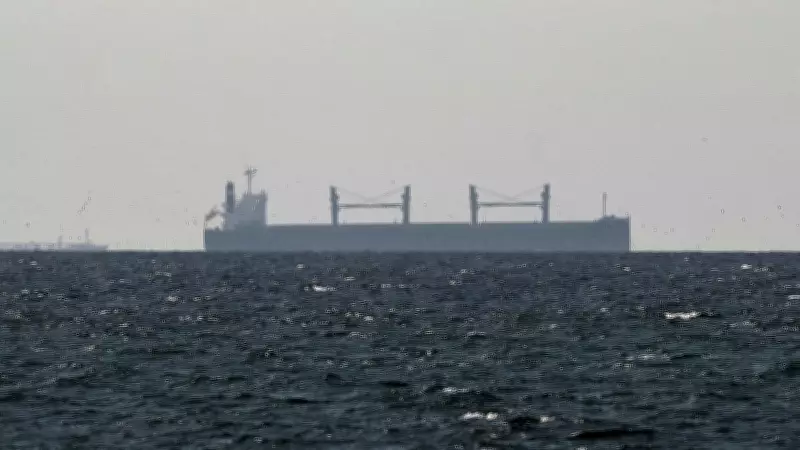
Critical Energy Supply Chain for India Disrupted in Strait of Hormuz
In a significant development affecting India's energy security, nineteen vessels transporting vital energy cargo destined for the country are currently stranded in the strategically important Strait of Hormuz. This maritime chokepoint, a crucial artery for global oil and gas shipments, has become a focal point of regional tensions, leading to severe disruptions in the flow of essential fuel imports to India.
Details of the Stranded Vessels and Their Cargo
The stranded fleet comprises a mix of tankers and cargo ships, each loaded with diverse energy resources critical for India's industrial and domestic needs. These vessels are carrying substantial quantities of crude oil, liquefied natural gas (LNG), and petroleum products, which are integral to powering the nation's economy and meeting its growing energy demands. The exact tonnage and specific types of cargo vary, but collectively, they represent a significant portion of India's scheduled energy imports for this period.
The Strait of Hormuz, located between the Persian Gulf and the Gulf of Oman, is one of the world's most vital shipping lanes, handling approximately one-fifth of global oil trade. Its narrow passage makes it susceptible to geopolitical instabilities, and recent escalations in regional conflicts have heightened security risks, prompting delays and rerouting of vessels. This situation has directly impacted the nineteen ships bound for Indian ports, leaving them immobilized and unable to proceed with their deliveries.

Impact on India's Energy Imports and Supply Chain
The stranding of these vessels poses a considerable challenge to India's energy supply chain, which relies heavily on imports to fuel its economy. India is one of the world's largest importers of crude oil and LNG, and any disruption in the Strait of Hormuz can lead to immediate shortages and price volatility in the domestic market. Key sectors such as transportation, manufacturing, and power generation could face operational hurdles if the delays persist, potentially affecting economic growth and stability.
Authorities and energy companies in India are closely monitoring the situation, exploring alternative routes and contingency plans to mitigate the impact. However, rerouting vessels through longer paths, such as around the Cape of Good Hope, would increase transit times and shipping costs, further straining the supply chain. This incident underscores the vulnerability of India's energy infrastructure to geopolitical risks in critical maritime corridors.
Geopolitical Context and Regional Tensions
The current standoff in the Strait of Hormuz is rooted in ongoing regional tensions involving key players in the Middle East. Factors such as territorial disputes, security threats, and diplomatic strains have contributed to a volatile environment, making safe passage for commercial vessels increasingly uncertain. The nineteen stranded ships are caught in this geopolitical crossfire, highlighting the broader implications for international trade and energy security.
India, as a major energy consumer, has a vested interest in the stability of this region. The government has been engaging in diplomatic efforts to ensure the safe transit of its cargo, but the complexity of the situation means that a swift resolution is unlikely. This event serves as a stark reminder of the interconnectedness of global energy markets and the need for diversified supply sources to enhance resilience against such disruptions.
Future Outlook and Mitigation Strategies
Looking ahead, the stranding of these vessels is expected to have short-term repercussions on India's energy availability and pricing. Industry experts suggest that if the blockage continues, it could lead to increased fuel costs and supply bottlenecks, affecting everything from household budgets to industrial output. To address this, India may accelerate efforts to boost domestic production, invest in renewable energy alternatives, and strengthen strategic petroleum reserves.

In the immediate term, stakeholders are advocating for enhanced maritime security and international cooperation to de-escalate tensions in the Strait of Hormuz. The incident also calls for a reevaluation of India's energy import strategies, emphasizing the importance of route diversification and risk management in safeguarding the nation's energy needs against future geopolitical shocks.





