

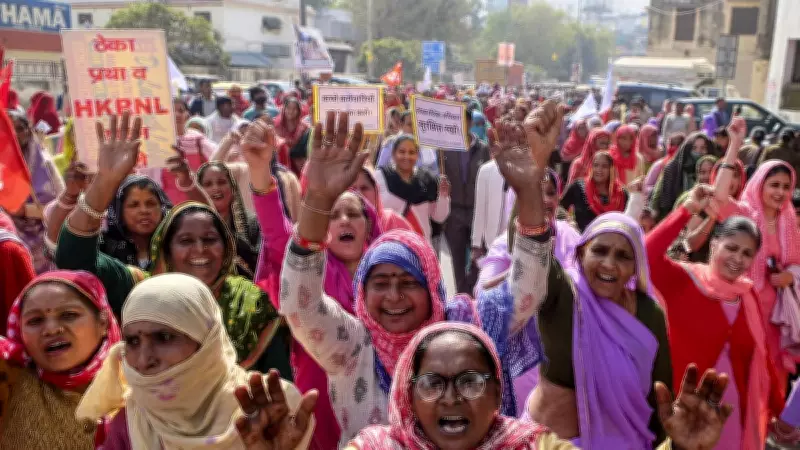
Massive Nationwide Strike Sees 30 Crore Workers and Farmers Protest Labour Codes
A significant trade union strike has swept across India, with an estimated 30 crore workers and farmers participating in a coordinated protest against the government's newly introduced labour codes. This industrial action, one of the largest in recent history, has led to widespread disruptions in various sectors, highlighting deep-seated concerns over labour reforms.
Scope and Impact of the Protest
The strike has mobilized a vast cross-section of the workforce, including employees from manufacturing, transportation, banking, and public services, alongside farmers from agricultural communities. Reports indicate that the protest has caused substantial operational halts in key industries, with many businesses and government offices experiencing reduced functionality or complete shutdowns in affected regions.
Organizers have emphasized that the strike aims to draw attention to what they describe as anti-worker provisions in the labour codes, which they argue could undermine job security, reduce social benefits, and weaken collective bargaining rights. The participation of farmers adds a layer of solidarity, reflecting broader discontent with economic policies perceived as favoring corporate interests over labor welfare.

Key Demands and Government Response
Protesters are calling for the immediate withdrawal of the labour codes and the implementation of measures to protect workers' rights, including better wages, improved working conditions, and enhanced social security. The strike has also raised demands for policies to address agrarian distress, linking industrial and agricultural grievances in a unified movement.
In response, government officials have acknowledged the protest but defended the labour codes as necessary reforms to modernize India's labour laws, boost economic growth, and attract investment. They have urged dialogue to resolve differences, though no immediate concessions have been announced, leading to a tense standoff between authorities and union leaders.
Broader Implications and Future Outlook
This large-scale strike underscores the growing tensions between labor groups and policymakers in India, with potential implications for industrial relations and economic stability. Analysts note that the protest could influence upcoming political debates and policy adjustments, especially as it garners widespread media coverage and public sympathy.
As the strike continues, its long-term effects on trade union activism and labour policy remain uncertain, but it has already marked a significant moment in India's socio-economic landscape, demonstrating the collective power of workers and farmers in advocating for their rights.






