

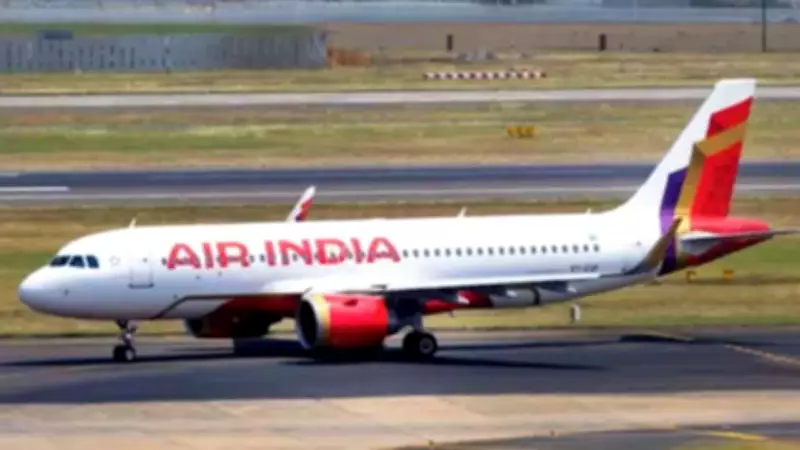
Air India Implements Strategic Refueling for Myanmar Route Amid Global Fuel Shortages
In response to escalating jet fuel availability issues in several countries, including Myanmar, Air India has proactively adjusted its operational strategy for the Delhi-Yangon route. The Tata Group-owned airline, which operates a weekly service on this sector, has initiated a significant change to ensure flight continuity.
Modified Flight Path to Address Fuel Constraints
The airline now deploys a single-aisle aircraft on this route, loading it with sufficient fuel in Delhi to complete the outbound journey to Yangon. However, due to the inability to refuel adequately in Myanmar, the return leg includes a strategic stopover in Kolkata for refueling before proceeding to Delhi. Consequently, the flight itinerary has been reconfigured to Delhi-Yangon-Kolkata-Delhi.
A senior pilot highlighted the operational dilemma, stating, "More fuel means a heavier plane. A heavier plane means increased fuel burn. It's a vicious cycle for airlines that were, until February 28, aggressively pursuing all available means to reduce fuel consumption." This adjustment underscores the broader challenges facing the aviation industry as it navigates unprecedented fuel-related disruptions.

Soaring ATF Prices and Geopolitical Tensions Exacerbate Crisis
The situation has been further aggravated by a sharp increase in Aviation Turbine Fuel (ATF) prices. On Wednesday, the base price of ATF for international flights more than doubled, placing additional financial strain on carriers. Compounding this, fresh warnings from former U.S. President Donald Trump to Iran have raised concerns among airlines about potential fuel availability issues in the Gulf region, a critical hub for global aviation.
Airline officials revealed ongoing contingency planning, noting, "Two weeks ago, we received alerts that our aircraft might not be refueled in Dubai. We were actively developing Plan B and Plan C. Fortunately, that scenario did not materialize last month, but with the ongoing conflict, we remain uncertain about April's prospects."
Industry-Wide Impact and Rising Operational Costs
The fuel crisis has prompted Indian carriers to meticulously reassess their international routes, as jet fuel for these flights has become substantially more expensive. IndiGo, while announcing a fuel surcharge hike, emphasized in a statement, "IATA’s Jet Fuel Monitor indicates over a 130% increase in fuel prices for the region on a month-on-month basis. For international operations, ATF prices have more than doubled in the past month, significantly impacting airline operating costs on these routes."
Simultaneously, the absence of major Gulf carriers—Emirates, Qatar Airways, and Etihad—since February 28 has reshaped market dynamics. Western carriers like the Lufthansa Group and British Airways have increased flights to India, with Air India also seizing opportunities to add western routes. However, the industry is closely monitoring the impact of higher fares on travel demand, with potential reductions in flight frequencies if demand wanes.
Surge in International Airfares and Operational Adjustments
International airfares have surged since the outbreak of the conflict, driven by multiple factors:
- Airlines' operating costs skyrocketing due to longer flight routes.
- The depreciation of the Indian rupee against major currencies.
- Reduced operations by Gulf-based carriers, limiting capacity.
Anil Kalsi, Vice President of the Travel Agents Federation of India, provided specific examples: "All these developments have resulted in international airfares to and from the West doubling compared to pre-February 28 levels. In the coming weeks, economy class fares are projected to be approximately Rs 2.25 lakh for one-way Delhi-New York and Rs 2.32 lakh for return; Rs 2.2 lakh for one-way Delhi-London and Rs 2.52 lakh for return; Rs 2.65 lakh for one-way Delhi-San Francisco (available from mid-April) and Rs 2.4 lakh for return; and around Rs 2.5 lakh for Mumbai-Paris."

He further explained, "Longer routes necessitate carrying more fuel, which reduces capacity for cargo and passengers, adding another layer of complexity to airline operations." This comprehensive overview highlights the multifaceted challenges confronting the aviation sector as it adapts to a rapidly evolving global landscape.





