

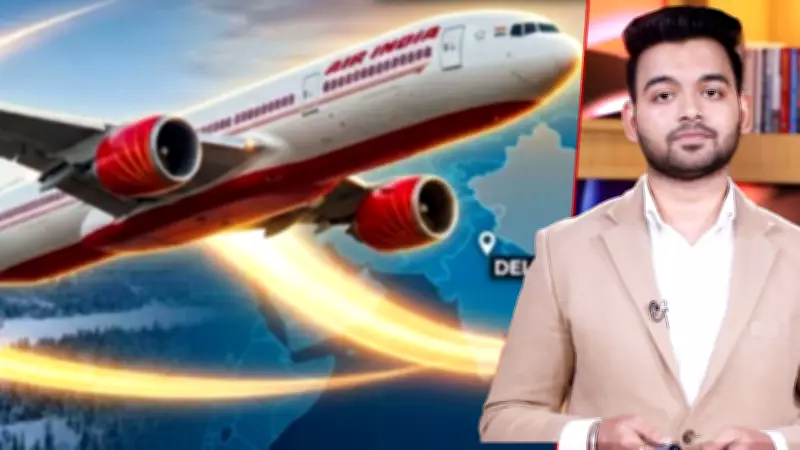
Air India's Wrong Plane Blunder Explained: Five Reasons Why Vancouver Flight Turned Back After 8 Hours
Eight hours in the air, zero destination reached. Air India's Vancouver flight has now become a stark case study in how seemingly minor errors can cascade into massive operational and financial losses. The core issue was deceptively simple yet critically serious: the airline deployed the wrong aircraft for an international route. Without the proper clearance to enter Canadian airspace, the flight had no alternative but to execute a mid-air U-turn and return to its origin.
The Five Key Reasons Behind the Costly Blunder
This incident was not a simple mistake but a multi-layered failure. Here are the five primary reasons that converged to cause this significant aviation blunder:
- Failure in Compliance and Regulatory Checks: The most fundamental error was the failure to ensure the specific aircraft model deployed had the necessary certifications and permissions to operate in Canadian airspace. This basic regulatory oversight bypassed standard pre-flight verification protocols.
- Planning and Scheduling Oversight: The blunder originated in the planning phase. The airline's scheduling and aircraft assignment systems apparently allowed an incompatible aircraft to be slated for the Vancouver route, indicating a breakdown in route-aircraft matching procedures.
- Late Detection and Communication Gaps: The error went undetected until the flight was already airborne and approaching Canadian airspace. This points to severe communication failures between ground control, flight operations, and the cockpit crew, allowing the issue to persist for hours.
- Operational Disruption and Passenger Inconvenience: The immediate consequence was the complete disruption of the flight schedule. Passengers endured an unnecessary 8-hour journey only to return to their starting point, facing significant travel delays, missed connections, and logistical chaos.
- Massive Cost Escalation and Brand Impact: The financial toll was immediate and substantial. The airline incurred massive fuel losses for the wasted 8-hour flight, potential compensation costs for passengers, and significant damage to Air India's brand reputation for reliability and safety.
Broader Implications and Preventable Nature
This incident raises a pressing, larger question for the aviation industry: how did such a fundamental error slip through multiple, supposedly redundant layers of safety and operational checks? Aviation relies on strict protocols to prevent exactly this type of error.

The event underscores that this was not an unavoidable accident but a preventable failure. It highlights potential vulnerabilities in airline operational management, training, and checklist adherence. The consequences—financial loss, passenger distress, and reputational harm—serve as a costly reminder of the importance of meticulous attention to detail in aviation logistics. The industry will likely scrutinize this case to reinforce procedures and prevent similar blunders in the future.






