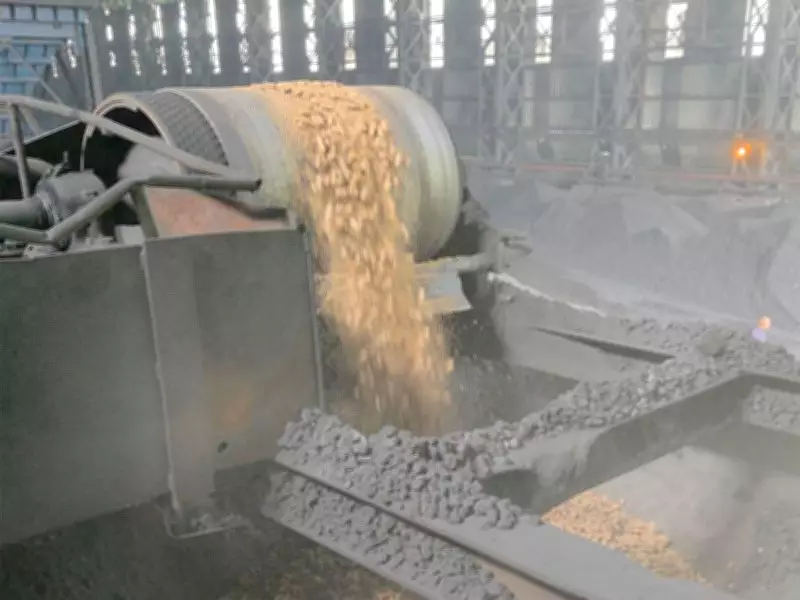
Australia and India Forge Ahead with Groundbreaking Green Steel Initiative
In a landmark development for sustainable industrial practices, the strategic partnership between Australia and India has taken a significant leap forward with the launch of a world-first trial aimed at producing green steel using agricultural waste. This pioneering effort underscores the growing collaboration between the two nations in tackling climate change and fostering eco-friendly trade solutions.
World-First Trial Utilizes Agricultural Residue
The trial, conducted in Australia, focuses on converting agricultural waste—such as crop residues and biomass—into a key component for steel production. By replacing traditional carbon-intensive materials like coking coal with this renewable resource, the initiative aims to drastically reduce greenhouse gas emissions associated with steel manufacturing. This innovative approach not only addresses waste management challenges but also paves the way for a more circular economy in the agricultural sector.
Key aspects of the trial include:

- Testing the feasibility of using processed agricultural waste as a reductant in steelmaking processes.
- Evaluating the environmental and economic benefits compared to conventional methods.
- Assessing the scalability of this technology for broader industrial adoption.
Strengthening Bilateral Ties Through Sustainable Trade
This green steel trial is a cornerstone of the enhanced Australia-India Economic Cooperation and Trade Agreement (ECTA), which prioritizes clean energy and sustainable development. By collaborating on such cutting-edge projects, both countries are positioning themselves as leaders in the global transition to low-carbon industries. The partnership leverages Australia's abundant agricultural resources and India's growing demand for steel, creating a symbiotic relationship that could reshape international trade dynamics.
Experts highlight that this initiative aligns with global decarbonization goals, particularly as the steel industry accounts for a substantial portion of worldwide carbon emissions. Successful implementation could set a precedent for other nations, encouraging similar innovations in heavy industries.
Implications for the Future of Steel Production
If the trial proves successful, it could revolutionize steel manufacturing by offering a viable alternative to fossil fuel-based processes. The potential benefits extend beyond environmental gains to include:
- Reduced reliance on imported coking coal, enhancing energy security for steel-producing nations like India.
- Creation of new revenue streams for farmers through the sale of agricultural waste.
- Boost to green jobs and technological advancements in both countries.
As the Australia-India partnership moves closer to commercializing green steel, this trial represents a critical step toward achieving net-zero emissions in the industrial sector. It exemplifies how international cooperation can drive innovation and address pressing environmental challenges, setting a new standard for sustainable economic growth.