

Varanasi's Banarasi Sewai Exports Defy Middle East Conflict, LPG Crisis Hits Production
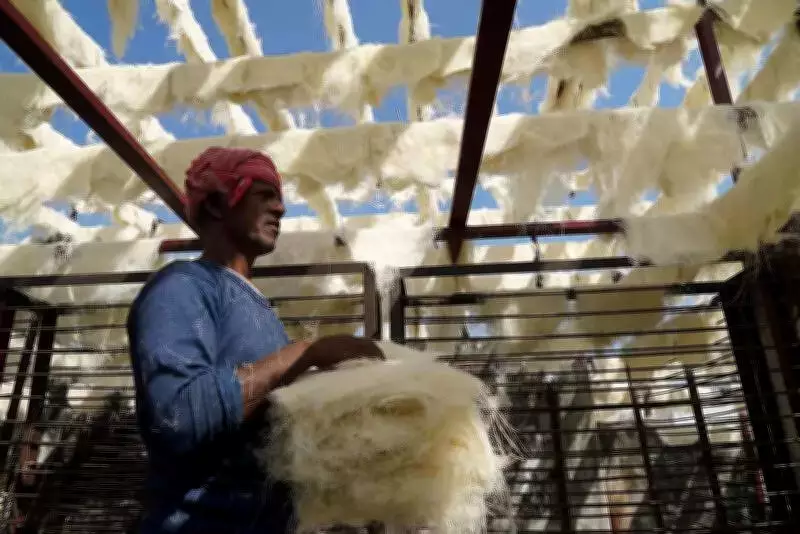
In the historic city of Varanasi, the delicate strands of Banarasi kimami sewai continue to weave a story of resilience and tradition, even as geopolitical tensions escalate in the Middle East. Despite the ongoing conflict between the US-Israel alliance and Iran, Mumbai-based exporters have been shipping substantial consignments of this premium vermicelli to Gulf countries in preparation for Eid celebrations. The demand for this festive delicacy has remained remarkably steady, showcasing the enduring appeal of Varanasi's culinary heritage.
Export Demand Remains Unshaken Amid Regional Turmoil
Sachchelal Agrahari, president of the Varanasi Sewai Grihudyog Vyavasayik Sangh, confirmed that orders from Maharashtra and Delhi exporters have maintained their momentum. "The Ramzan and Eid demand has held strong despite the escalating Middle East conflict," Agrahari stated. This resilience highlights how cultural traditions and culinary commerce can persist even in times of international uncertainty.
Over 3,000 artisans from approximately 500 families continue their generations-old practice of preparing Banarasi sewain across 70 cottage industries, primarily concentrated in the Bhadau Chungi and Rajghat areas. For centuries, Hindu artisans in these neighborhoods have been crafting sewai specifically for Eid celebrations, creating a heartwarming example of Varanasi's cultural integration and communal harmony.

LPG Shortage Cripples Production of Deep-Fried Varieties
However, a significant challenge has emerged in recent days that threatens part of this traditional industry. The production of ghee-cooked soot-pheni, popularly known as doodh sewai, has plummeted by 50% due to a severe LPG shortage. This shortage has particularly impacted domestic markets where these deep-fried treats are especially cherished.
"In the past five days, the production of ghee-cooked soot-pheni has dipped dramatically," Agrahari explained, emphasizing how the LPG crisis has disrupted the delicate balance of supply and demand as Ramzan's peak buying days approach. Retailers from West Bengal, Madhya Pradesh, Delhi, and Bihar who typically flock to Varanasi for Banarasi sewai are now expressing growing concerns about availability.
The Unique Craftsmanship of Banarasi Sewai
What makes Banarasi sewai particularly distinctive is its specialized preparation method. "Normal sewai is prepared in many parts of the country, but thin sewai of various sizes, including size 1, 2 and 0, is prepared only in Varanasi," Agrahari detailed. The artisans use special refined flour and add pure ghee during the preparation process, giving the final product its unique texture and flavor profile.
The premium kimami sewain comes in both raw and white varieties and is particularly sought after for Eid celebrations. Meanwhile, the thicker, ghee-cooked soot-pheni remains a preferred choice for Sehri meals throughout the holy month of Ramzan. These culinary traditions represent centuries of perfected technique passed down through generations of Varanasi artisans.
Modernization Meets Tradition in Production Methods
While Bhadau Chungi was once dominated by entirely handcrafted sewai production, the area has gradually incorporated modern machinery to meet growing demand. Despite these technological advancements, producers maintain their traditional distribution channels, selling primarily to exporters in Maharashtra, Delhi, and other major cities who then ship the products to Gulf and Middle Eastern markets.
The artisans of Bhadau Chungi prepare for various festival frenzies throughout the year, including Holi, Rakshabandhan, Teej, and Eid. "We start prepping for months before Ramzan for the Eid rush," they revealed, noting that they typically produce around two tonnes of Banarasi sewai daily during peak seasons.

As the Middle East conflict continues to dominate international headlines with Iran threatening that "all oil and energy infrastructure will turn to ashes" after US actions, and former US President Donald Trump urging nations to send warships to the Strait of Hormuz, Varanasi's sewai artisans continue their quiet work. Their story represents a microcosm of how local industries navigate global challenges while preserving cultural traditions that transcend political boundaries.





