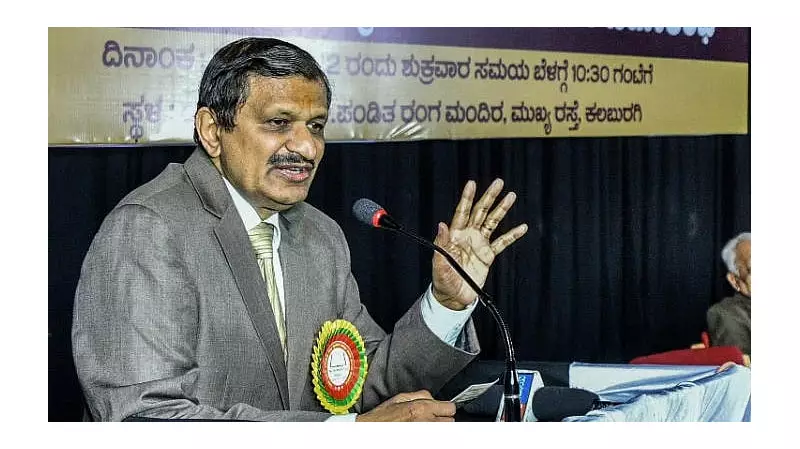
In a significant move aimed at bolstering the fortunes of farmers and preserving a traditional industry, Bengaluru Rural Member of Parliament Dr C N Manjunath has thrown his weight behind the creation of a dedicated National Sandalwood Board. The call was made on 17 December 2025, highlighting the urgent need for structured support for the cultivation and trade of this precious aromatic wood.
Preserving Karnataka's Legacy as the Land of Sandalwood
Speaking on the rich heritage of the state, Dr Manjunath passionately underscored Karnataka's pivotal role in India's sandalwood ecosystem. He reminded stakeholders that Karnataka is historically celebrated as the "Land of Sandalwood". The state's contribution is not merely cultural but highly substantial in quantitative terms, accounting for a staggering nearly 65% of India's total sandalwood production. This dominant share underscores the state's critical position in the national and global sandalwood market.
The Case for a Dedicated Regulatory and Support Body
The core of Dr Manjunath's proposal is the establishment of a centralised authority—a National Sandalwood Board. This board, he argues, is essential to provide comprehensive assistance to the farmers who cultivate sandalwood. The current framework often leaves growers navigating complex regulations and market fluctuations without adequate institutional backing. A dedicated board could streamline policies, offer technical guidance on sustainable cultivation, ensure fair pricing, and help in branding and marketing the produce effectively, both domestically and internationally.

Implications for Farmers and the Future of the Industry
The push for a National Sandalwood Board has far-reaching consequences. For the farming community, it promises a more stable and supportive environment, potentially increasing profitability and encouraging more farmers to engage in sandalwood cultivation. On a broader scale, such an institution could play a vital role in conserving the species, combating illegal logging, and standardising quality to enhance India's competitiveness. By safeguarding the interests of farmers, the initiative also aims to protect and promote Karnataka's unique botanical heritage for future generations, ensuring the state continues to be synonymous with the finest sandalwood.
The demand set forth by Dr C N Manjunath marks a crucial step in recognising the need for formalised support in this niche agricultural sector, aligning economic interests with cultural preservation.