

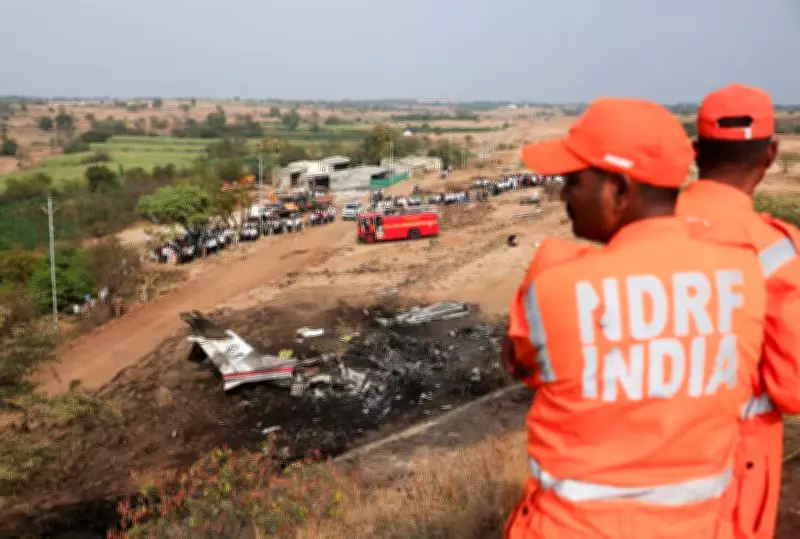
The Safety Challenge of Charter Flights: An In-Depth Analysis
Charter flights, often used for private travel, corporate trips, and emergency evacuations, present a unique and critical safety challenge in the global aviation sector. Unlike scheduled commercial airlines, which operate under stringent and continuous regulatory scrutiny, charter services can sometimes fall through the cracks of oversight, leading to potential risks that threaten passenger security and industry standards.
Regulatory Gaps and Compliance Issues
One of the primary concerns in charter flight safety is the existence of regulatory gaps. Many countries, including India, have aviation authorities that enforce rules for commercial carriers, but charter operations may not always receive the same level of inspection and monitoring. This can result in non-compliance with safety protocols, such as inadequate maintenance checks, pilot training deficiencies, or outdated equipment. For instance, some charter companies might cut corners to reduce costs, compromising on essential safety measures like regular aircraft servicing or adherence to flight hour limits for crew members.
Operational Risks and Passenger Security
Operational risks further exacerbate the safety challenge of charter flights. These flights often operate in remote or less-regulated regions, where infrastructure and emergency response capabilities are limited. In such scenarios, issues like poor weather conditions, lack of proper navigation aids, or insufficient ground support can increase the likelihood of accidents. Additionally, charter flights may carry high-profile passengers or sensitive cargo, making security a paramount concern. Without robust security screening and threat assessment processes, these flights could become targets for unauthorized access or other security breaches.

Industry Response and Future Directions
To address these challenges, the aviation industry and regulatory bodies are taking steps to enhance safety standards for charter flights. Initiatives include stricter licensing requirements for charter operators, mandatory safety audits, and the implementation of advanced technologies like real-time flight tracking and predictive maintenance systems. Moreover, international organizations such as the International Civil Aviation Organization (ICAO) are working to harmonize regulations across borders, ensuring that charter flights adhere to global safety norms regardless of their operating location.
In conclusion, while charter flights offer flexibility and convenience, their safety challenge cannot be overlooked. By closing regulatory gaps, improving operational practices, and fostering industry collaboration, stakeholders can mitigate risks and ensure that charter aviation remains a secure and reliable mode of transport for all passengers.






