

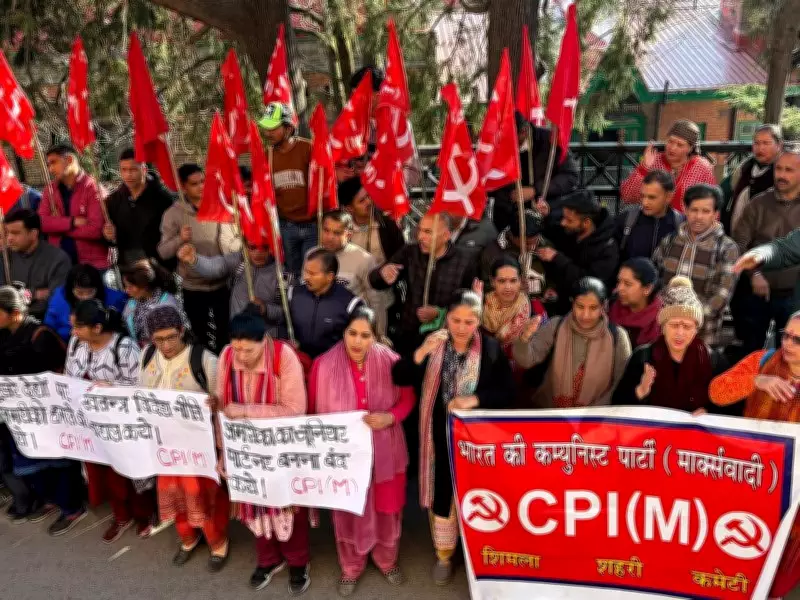
CPM Stages Protests in Himachal Pradesh Over India-US Trade Deal
The Communist Party of India (Marxist), commonly known as CPM, has organized significant protests in the state of Himachal Pradesh, voicing strong opposition to the ongoing India-United States trade deal negotiations. Party members and supporters gathered in various locations across the state, demanding that the central government make all details of the proposed agreement public. This move comes amid growing concerns about the potential implications of the deal on India's economic sovereignty and local industries.
Demands for Public Disclosure and Transparency
During the protests, CPM leaders emphasized the need for transparency in the trade negotiations, arguing that such agreements often have far-reaching consequences for the nation's economy and policy-making autonomy. They called upon the central government to release comprehensive information about the terms and conditions being discussed with the United States. The party asserts that without public scrutiny, the deal could undermine India's interests and favor foreign corporations over domestic stakeholders.
Concerns Over Economic and Sovereignty Issues
The CPM has raised specific concerns regarding how the India-US trade deal might impact key sectors such as agriculture, manufacturing, and digital services. Party officials highlighted fears that the agreement could lead to increased imports of American goods, potentially harming local producers and small businesses in Himachal Pradesh and across India. Additionally, there are worries about clauses that might restrict India's ability to implement policies for public welfare, such as subsidies or environmental regulations, in the name of trade facilitation.

Protest Activities and Public Response
The protests involved rallies, marches, and public meetings, with CPM activists distributing pamphlets and engaging with citizens to raise awareness about the trade deal. The party reported a positive response from the local population, with many expressing solidarity over the call for greater governmental accountability. In their statements, CPM representatives urged other political parties and civil society groups to join the movement, framing it as a broader issue of democratic transparency and national interest.
Government's Stance and Future Implications
As of now, the central government has not publicly responded to the CPM's demands, maintaining that trade negotiations are conducted with careful consideration of India's economic goals. However, the protests in Himachal Pradesh signal increasing political pressure to ensure that such deals are not finalized without public debate. The outcome of this issue could set a precedent for how future international agreements are handled in India, potentially influencing trade policies and diplomatic relations with other countries.
Looking ahead, the CPM plans to continue its campaign, with possible expansions to other states if the government does not address their concerns. The party's stance reflects a growing trend of political activism around trade agreements, emphasizing the need for inclusive decision-making processes that protect India's economic sovereignty and public interest.






