

Leaked Audio Reveals Ted Cruz Allegations on US-India Trade Deal Blockage
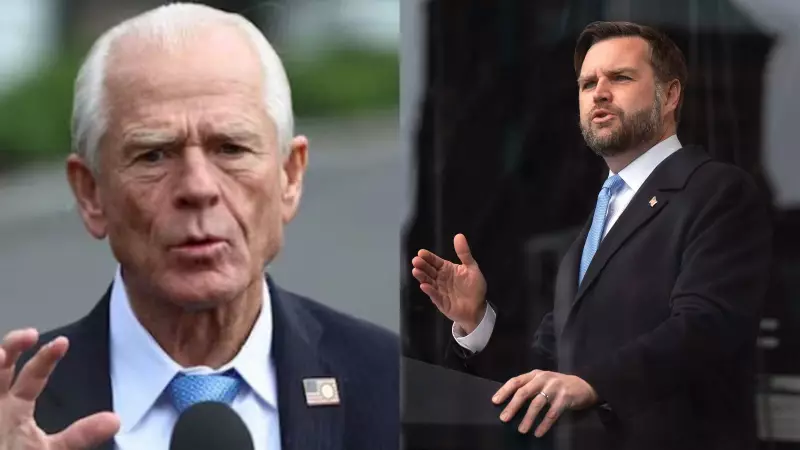
A recent report based on leaked audio recordings has brought to light explosive claims by US Republican Senator Ted Cruz, who alleges that Vice President JD Vance and White House economic adviser Peter Navarro played a pivotal role in obstructing a proposed trade agreement between the United States and India. The revelations come at a critical juncture, as India and the US remain locked in protracted trade negotiations that have significant economic implications for both nations.
Internal Divisions Within Trump Administration Exposed
According to the report by Axios, which obtained the nearly 10-minute audio clips from a Republican source dating back to early and mid-2025, Cruz made these remarks during private meetings with donors. The recordings expose deep internal rifts within President Donald Trump's administration over trade policy, with Cruz positioning himself as a traditional free-trade advocate while sharply criticizing the administration's tariff-driven approach.
Cruz did not stop at implicating Vance and Navarro; he also alleged that Trump himself "sometimes" intervened to stall the proposed US-India agreement. This adds a layer of complexity to the ongoing trade talks, which have been strained since the Trump administration imposed an additional 25 percent tariff on Indian goods. This move was in response to New Delhi's oil trade with Russia, bringing total duties to a hefty 50 percent and escalating tensions between the two countries.

Cruz's Critique of Tariff Policies and Political Ramifications
In the leaked audio, Cruz presents himself as a pro-interventionist Republican, distancing himself from Vance, whom he portrayed as aligned with conservative commentator Tucker Carlson. He recounted a tense late-night phone call with Trump in April 2025, shortly after the President announced protectionist measures. Cruz revealed that several senators urged Trump to reconsider the tariffs, but the conversation "did not go well," with Trump reportedly yelling and cursing in a bad mood.
Cruz warned of serious political consequences stemming from the tariff policy, predicting it could severely damage the economy ahead of the 2026 midterm elections. He stated, "If we get to November of [2026] and people’s 401(k)s are down 30% and prices are up 10–20% at the supermarket, we’re going to face a bloodbath." Cruz forecasted losses for Republicans in both the House and Senate, along with sustained impeachment pressure on the White House, highlighting the high stakes involved in the administration's trade decisions.
Context of US-India Trade Relations
The report emerges against the backdrop of prolonged trade negotiations between India and the US, which have been complicated by geopolitical factors such as India's energy trade with Russia. The additional tariffs imposed by the Trump administration have not only heightened economic tensions but also underscored the challenges in reaching a mutually beneficial trade deal. Cruz's allegations shed light on the internal dynamics that may be influencing these negotiations, suggesting that key figures within the administration are actively working against the agreement.
This development is particularly significant for India, as it navigates its trade relationships amid global economic shifts. The blocked deal could impact various sectors, from technology to agriculture, and affect bilateral ties that have been a cornerstone of international diplomacy in recent years. As the situation unfolds, stakeholders in both countries will be closely monitoring any further revelations or policy changes that could shape the future of US-India trade relations.






