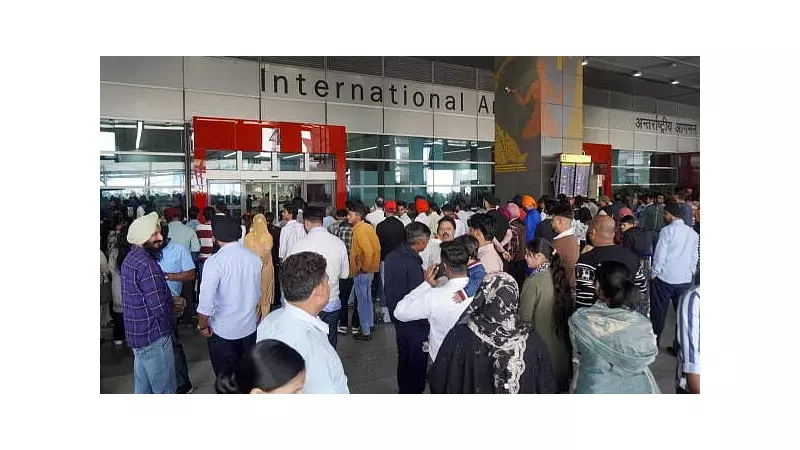
Major Technical Disruption at Delhi Airport Resolved
Flight operations at Delhi's Indira Gandhi International Airport have finally returned to normal after experiencing a significant technical disruption that lasted for over 15 hours. The issue originated from the Automatic Message Switching System (AMSS), a critical component that supports the air traffic control's flight planning process.
Timeline of the Technical Failure
The technical problem first emerged around 5:45 am on Friday and persisted throughout the day, causing potential disruptions to flight schedules and airport operations. According to Delhi International Airport Limited (DIAL), the system failure continued until approximately 9 pm on the same day when the Airports Authority of India (AAI) officially confirmed that the issue had been successfully addressed.
The prolonged outage of the AMSS system raised concerns among passengers and aviation authorities alike, given the system's crucial role in managing flight data and ensuring smooth air traffic operations.

Restoration of Normal Operations
Following the resolution announced by AAI, airport authorities worked diligently to restore full operational capacity. DIAL confirmed that flight operations were gradually returning to normal as systems came back online and backlogged operations were cleared.
The 15-hour disruption represented one of the more significant technical challenges faced by India's busiest airport in recent times. Aviation experts noted that the AMSS system plays a vital role in processing flight-related messages and data between aircraft, air traffic control, and airline operations centers.
While the exact number of affected flights hasn't been specified, the extended duration of the technical issue suggests that multiple domestic and international flights operating through Delhi airport likely experienced scheduling adjustments or delays during this period.
Airport authorities have assured passengers that systems are now functioning normally and have advised travelers to check with their respective airlines for any residual scheduling changes resulting from the day-long technical disruption.