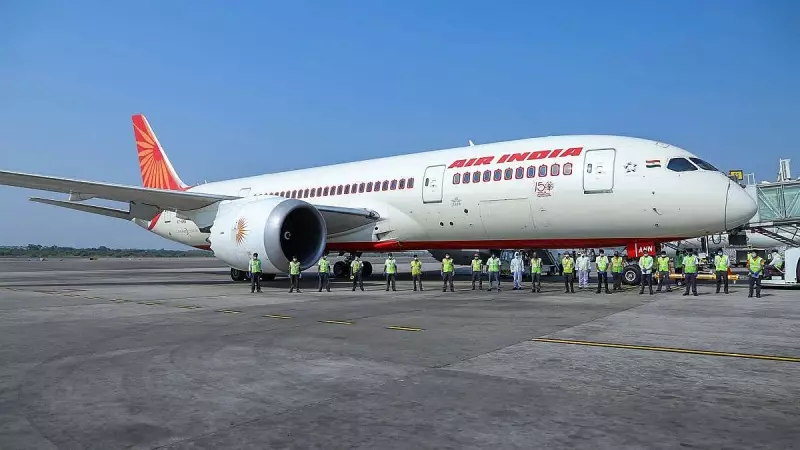
The Directorate General of Civil Aviation (DGCA) has launched a significant investigation into Air India after discovering that one of its aircraft was operated on multiple flights without a valid safety certificate. This serious lapse involves a Boeing 777-200ER, a wide-body aircraft used for long-haul routes.
The Core of the Safety Breach
The regulatory probe was triggered when it was found that Air India operated flight AI-101 from Delhi to San Francisco on June 24 without a current Certificate of Airworthiness (CoA). The CoA is a fundamental legal document that confirms an aircraft meets all required safety standards and is fit to fly. Its absence renders an aircraft legally ineligible for operation.
Further scrutiny revealed the issue was not an isolated one-off event. Investigations indicate that the same aircraft, bearing the registration VT-ALH, had been flown on several occasions after its CoA had expired. The certificate had lapsed, and the airline continued to use the plane for commercial passenger flights, a grave violation of aviation safety norms.

Air India's Response and Regulatory Action
In response to the DGCA's findings, Air India has stated that the lapse was inadvertent and primarily a documentation oversight. The airline claims the physical aircraft was fully airworthy and that all necessary maintenance checks had been completed. They attributed the expired CoA to an administrative failure in the paperwork renewal process.
However, the DGCA is treating the matter with utmost seriousness. The regulator has issued a show-cause notice to Air India's Accountable Manager, demanding a detailed explanation for the repeated operational failures. This formal notice is a step in the enforcement process that could lead to punitive action, including financial penalties or other sanctions against the airline or its personnel.
Broader Implications for Aviation Safety
This incident casts a shadow over Air India's internal safety management systems and procedural rigor. Operating an aircraft without a valid CoA is a fundamental breach that raises questions about the airline's compliance culture. It comes at a time when the Tata Group-owned carrier is working to rebuild its global reputation.
The DGCA's aggressive probe signals a stricter regulatory stance on compliance. For passengers, the incident underscores the critical role of regulators in ensuring that airlines adhere to the highest safety protocols, even when the oversight is labeled as 'administrative'. The outcome of this investigation will be closely watched by the entire aviation industry in India.
Ultimately, while Air India asserts there was no compromise on physical airworthiness, the legal and procedural failure remains a significant concern. The DGCA's final report and any subsequent actions will determine the full consequences for the national carrier.