

India's export sector is grappling with a multi-pronged crisis that extends beyond the widely discussed high US tariffs. A recent high-level meeting has revealed critical gaps in infrastructure, testing facilities, and supply chains that are eroding the global competitiveness of Indian goods.
Key Challenges Raised at Board of Trade Meeting
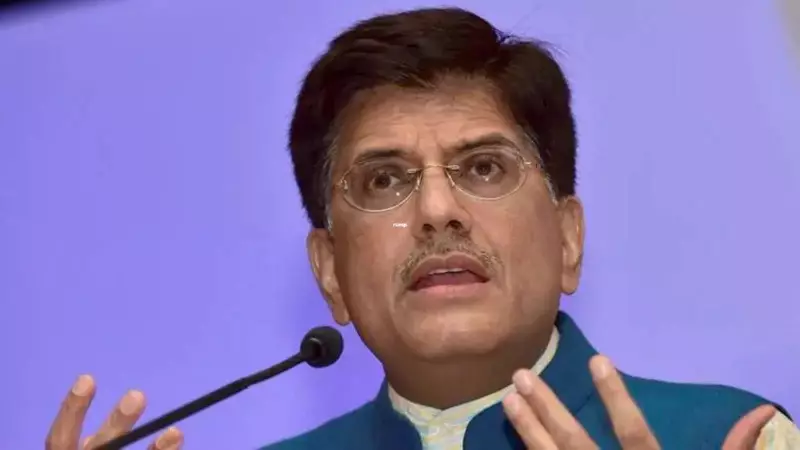
These pressing issues were brought to the forefront during a meeting of the Board of Trade (BoT) held on November 25. The advisory body, chaired by Union Commerce and Industry Minister Piyush Goyal, convenes to suggest measures for boosting foreign trade. The details of the discussions, attended by over 120 representatives from states, industries, and central ministries, were revealed in response to an RTI application.
The meeting occurred against the backdrop of slowing exports, exacerbated by steep 50 per cent US tariffs imposed on August 27, 2025. While India aggressively pursued new markets, signing FTAs with Oman, New Zealand, and the UK in 2025, the US tariffs have led to order cancellations and delayed payments, risking market share loss to competitors like Bangladesh, Vietnam, and China.

Beyond Tariffs: Infrastructure and Cost Hurdles
Exporters presented a detailed list of non-tariff barriers crippling their operations. A significant concern was the shortage of accredited testing facilities. States like Rajasthan and Uttarakhand highlighted that exporters must send samples to distant cities like Surat or Uttar Pradesh for mandatory testing, causing delays and increased costs. The Seafood Exporters Association pointed out a lack of labs accredited by the Marine Products Export Development Authority, jeopardizing quality certifications.
Another critical issue is the high cost of domestic raw materials. Industry representatives stated that input costs are 15-20 per cent more expensive than global prices. The textiles sector added that energy costs for spinning and manufacturing are also higher by a similar margin, demanding compensatory measures.
Logistical nightmares were also flagged. Assam's representative cited high shipping line levies for empty containers, a major hurdle for a landlocked state. Gujarat echoed concerns over a shortage of shipping containers, disrupting export schedules.
Sector-Specific Impacts and Regulatory Concerns
The minutes of the meeting showed severe sectoral impacts. The gems and jewellery sector faced order cancellations and payment delays due to US tariffs. The Spices Board described a "crisis" created by a 50% duty on oleoresin. Despite generic drugs being exempt, Goa reported affected pharma exports, and seafood shipments to the US saw a significant drop.
Regulatory burdens added to the woes. The Gem and Jewellery Export Promotion Council (GJEPC) cited restrictions on gold, platinum, and silver imports, making component imports more expensive. MSMEs faced challenges with Quality Control Orders (QCOs), and the ceramics industry in Morbi highlighted the irregular functioning of District Export Committees.
Furthermore, industry bodies like the Engineering Export Promotion Council of India noted the unavailability of the Market Access Initiative scheme for nine months and called for expediting funds under the Export Promotion Mission (EMP).
The collective feedback paints a clear picture: for Indian exports to regain momentum, addressing these deep-rooted structural and cost issues is as crucial as navigating the complex landscape of international tariffs.






