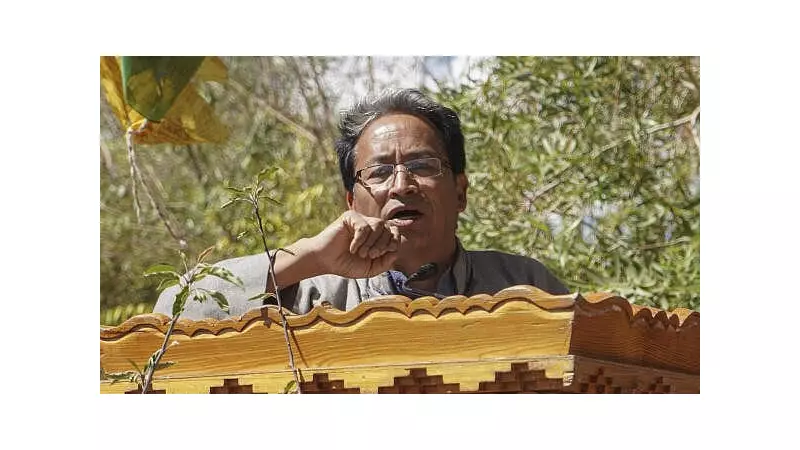
The Samyukt Kisan Morcha (SKM), a prominent coalition of farmers' unions, has taken a firm political stance by formally adopting a resolution against the proposed Free Trade Agreement (FTA) between India and the United States. In a significant move, the body also demanded the immediate release of noted Ladakhi activist and engineer, Sonam Wangchuk.
Resolution Condemns "US Imperialism and Corporate Forces"
The resolution, adopted on 11 January 2026, carries strong language, calling upon farmers and the general public to mobilize against what it describes as compromising national interests. The SKM's statement explicitly urges people to "rally against compromising the interests of the country under the pressure of the US' imperialism and the corporate forces." This framing positions the opposition to the trade deal within a broader narrative of resisting external economic and political pressure.
The farmers' body has consistently expressed concerns that such FTAs could flood the Indian market with cheap agricultural imports, severely undermining the livelihoods of local farmers. They argue that the agreement would primarily benefit large multinational corporations at the expense of India's agrarian economy and food sovereignty.

Linking Trade to Activism: The Demand for Wangchuk's Freedom
In a parallel demand, the SKM resolution calls for the release of Sonam Wangchuk. The environmentalist and education reformer from Ladakh has been a vocal advocate for the constitutional safeguards and statehood for the region. His detention has sparked widespread protests and concern among civil society groups. By linking his release to their opposition against the FTA, the SKM is broadening the scope of its agitation, connecting issues of trade policy with those of democratic rights and regional autonomy.
This dual focus suggests a strategic expansion of the farmers' movement's agenda, intertwining economic policy with demands for civil liberties. It signals a move to build a wider coalition of support beyond purely agrarian issues.
Implications and the Road Ahead
The adoption of this resolution is likely to galvanize sections of the farming community and allied groups into a more organized opposition against the India-US FTA negotiations. It sets the stage for potential rallies, demonstrations, and public campaigns aimed at pressuring the government to reconsider the trade pact.
The key consequences of this development include:
- Increased political pressure on the central government regarding the FTA terms.
- Renewed spotlight on the detention of Sonam Wangchuk and the Ladakh statehood issue.
- Potential for broader alliances between farmers' movements, environmental activists, and civil liberty groups.
- A more complex negotiation landscape for Indian diplomats, who must now account for significant domestic opposition.
As the situation develops, the SKM's resolution marks a clear escalation in the public debate over India's future trade relationships and the balance between economic growth and the protection of domestic sectors and democratic values.