Farmers Rally Against India-US Trade Deal, Citing Grave Threats to Agriculture
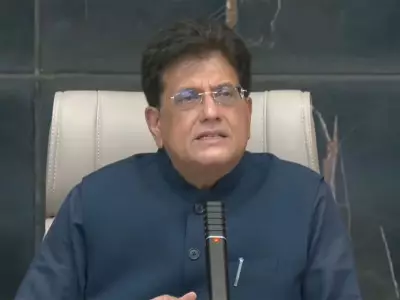
Opposition to the proposed India–US trade agreement is intensifying significantly, with farmer groups and civil society organisations issuing stark warnings about serious consequences for agriculture and the broader economy. Bharatiya Kisan Union (BKU) Charuni national president Gurnam Singh Charuni has described the deal as a "danger bell" for farmers and the common public, cautioning that it could prove even more perilous than the now-repealed Indian farm laws of 2020.
Major Mobilisation Announced in Chandigarh
During a press conference at the Chandigarh Press Club on Thursday, Charuni announced a substantial mobilisation effort. He revealed that a "Kisan-Mazdoor Jan Kranti Rally" will be held on March 23 at the grain market in Kurukshetra to protest the trade deal. Charuni warned that if the government fails to address farmers' concerns adequately, the rally could see the announcement of strong decisions and potentially trigger a nationwide agitation. He was accompanied by BKU Charuni media in-charge Rakesh Bains and Haryana state executive president Karam Singh Mathana.
Concerns Over Agriculture and Economic Sovereignty
Farmer organisations argue vehemently that including agriculture in a free trade agreement with the United States could severely impact Indian farmers, particularly smallholders. Charuni stated that Indian farmers would struggle immensely to compete with heavily subsidised American agriculture, potentially pushing the entire sector into a deep crisis. He further alleged that the agreement could have far-reaching implications beyond farming, affecting critical areas such as food security, the Minimum Support Price (MSP) system, and government procurement policies. There are also heightened concerns about increased influence of multinational corporations over Indian agriculture.

Farmer leaders have appealed earnestly to the public to raise awareness and join the movement against the agreement. Charuni asserted that the issue goes far beyond agriculture and concerns the country's economic sovereignty and public welfare. "If the government fails to act, this could take the shape of a mass movement," he declared, adding that protecting farmers' rights and livelihoods is fundamentally the government's responsibility.
Key Concerns Highlighted by Farmer Groups
- Cheap Imports Threatening Local Markets: Due to high subsidies in the US, products such as wheat, maize, soybeans, and dairy items could enter India at lower prices, forcing Indian farmers to sell their produce at drastically reduced rates.
- Impact on Dairy Sector: India's dairy industry, linked to nearly 80 million families, may face intense competition from imported products, jeopardising livelihoods.
- Corporate Control Over Agriculture: The deal could strengthen multinational companies' hold over seeds, pesticides, and agri-technology, significantly increasing input costs for farmers.
- Pressure on Policies: Charuni alleged that international pressure could mount on India to dilute key policies such as MSP and food security measures, undermining domestic safeguards.
"Hard to Reverse" Agreement Warns Charuni
Charuni emphasised critically that while domestic laws can be repealed—as seen with the 2020 farm laws—international trade agreements are far more difficult to amend or withdraw from once signed. "If agriculture is opened under this deal, reversing it will not be easy," he warned, highlighting the long-term risks involved.
Farmers' Demands Outlined
Farmer unions, including the Bharatiya Kisan Union (Charuni), have put forward several key demands:

- Immediate cancellation of the proposed trade deal.
- Legal guarantee of MSP and farm loan waivers.
- Free education and healthcare services for farmers.
- Withdrawal of proposed seed and electricity amendment bills.
- Strict action and a CBI probe into the paddy procurement scam.
- Bonus of Rs 150 per quintal on wheat, similar to the model implemented in Rajasthan.