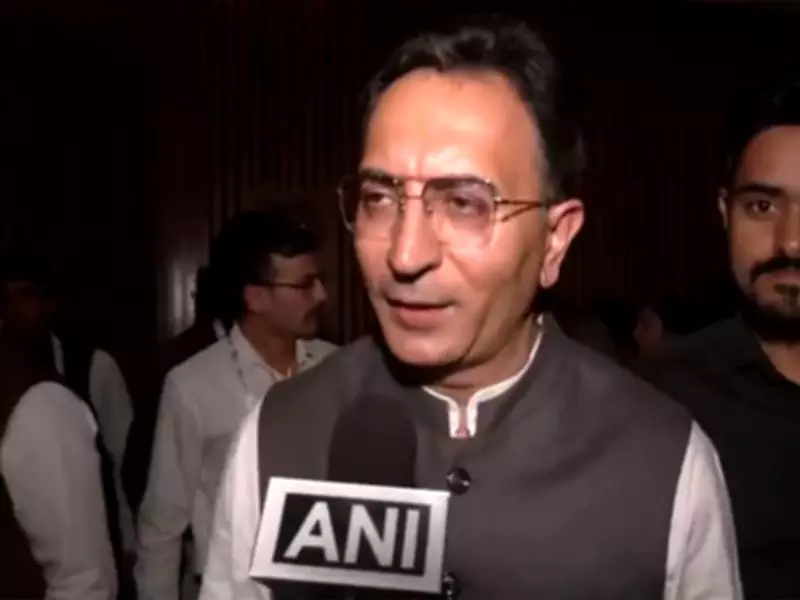
Free Trade Agreements Unlock Global Opportunities for Indian MSMEs
Union Minister of State for Commerce and Industry, Jitin Prasada, has emphasized that India's recent free trade agreements (FTAs) are creating significant new opportunities for Micro, Small, and Medium Enterprises (MSMEs) to integrate into global supply chains. This strategic move is aimed at enhancing the country's export capabilities and fostering economic resilience.
Strategic Integration into Global Networks
Prasada noted that these trade pacts are designed to reduce tariffs and eliminate non-tariff barriers, making it easier for Indian MSMEs to access international markets. By participating in global supply chains, these enterprises can leverage competitive advantages, such as cost-effective labor and specialized skills, to increase their market share abroad.
The government's focus is on empowering MSMEs through policy support and infrastructure development, ensuring they can capitalize on these agreements. This includes initiatives like the Production Linked Incentive (PLI) schemes and digital transformation programs that enhance operational efficiency.

Boosting Export-Led Growth
FTAs with countries like the UAE, Australia, and the UK are expected to drive export-led growth by providing preferential access to key markets. Prasada highlighted that this integration not only boosts exports but also encourages innovation and quality improvements among MSMEs, as they adapt to global standards.
"The synergy between FTAs and MSME development is crucial for achieving sustainable economic progress," Prasada stated, underscoring the role of small businesses in job creation and industrial diversification.Challenges and Support Mechanisms
While opportunities abound, MSMEs face challenges such as limited resources and competition from larger firms. To address this, the government is implementing support mechanisms:
- Financial assistance through credit schemes and subsidies.
- Capacity-building programs to enhance skills and technology adoption.
- Streamlined regulatory processes to reduce compliance burdens.
These measures aim to level the playing field, enabling MSMEs to thrive in the global arena and contribute significantly to India's trade balance.