Goa's Fishing Fleet Faces Logistical Hurdles Amid Commercial LPG Cylinder Restrictions
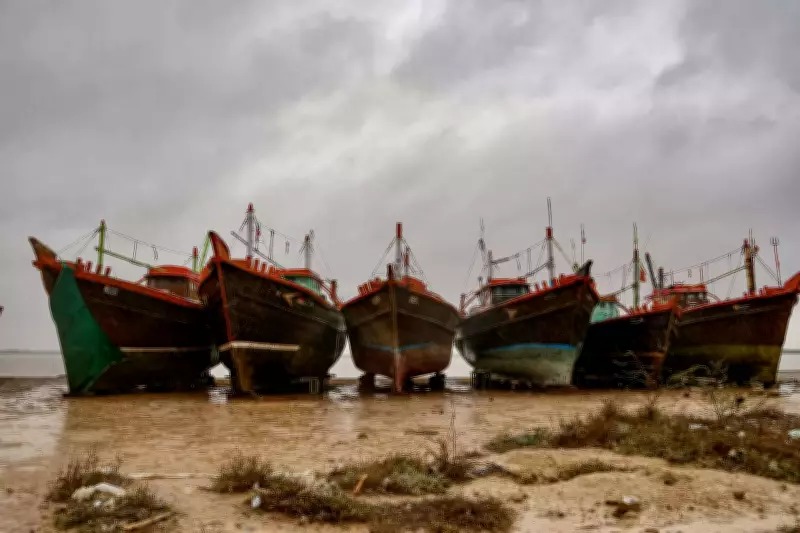
Panaji: The Union government's recent restrictions on the supply of commercial liquefied petroleum gas (LPG) cylinders have begun to impact mechanised fishing boats operating from Goa's coastal regions. However, state authorities have moved swiftly to allay fears, emphasizing that there is no immediate cause for panic or disruption to the fishing industry's core activities.
Government Clarifies Scope of Restrictions
Goa's Fisheries Minister, Nilkanth Halarnkar, clarified that the curbs are not targeted specifically at the fishing sector. "The decision originated from the Union Ministry of Petroleum and Natural Gas. It applies uniformly to all commercial users, including five-star hotels and various other industries," Halarnkar stated. He acknowledged the logistical challenges posed for mechanised fishing vessels, which typically carry LPG cylinders onboard to prepare meals for crew members during extended multi-day fishing expeditions.
Importantly, the minister stressed that the shortage does not directly affect the boats' operational capabilities. "The LPG cylinders are not utilized for the boats' propulsion or movement. Their primary function is for cooking food to sustain the crew while at sea. The vessels' engines run entirely on diesel, which remains readily available," he explained, seeking to contextualize the issue.

Fishing Community Expresses Concerns, Government Responds
Despite these assurances, segments of the fishing community have voiced apprehension. Some operators worry that a potential reduction in fishing activity could eventually lead to decreased fish availability in local markets. In response, Minister Halarnkar dismissed fears of an immediate shortage, suggesting the curbs might be a precautionary measure. "For now, fishing activity continues uninterrupted. There is no current shortage of diesel or fish supply within the state," he affirmed.
The state government has already escalated the matter. Chief Minister Pramod Sawant raised the issue with central authorities, leading to the constitution of a three-member committee at the Union level. This committee is tasked with studying the situation in detail and recommending appropriate measures to mitigate any adverse effects.
Operational Impact and Industry Response
On the ground, the practical implications are becoming evident. Fishing boat operators have reportedly begun suspending some deep-sea trips due to the unavailability of LPG cylinders. A meeting was convened on Friday by stakeholders to discuss the evolving situation and potential solutions.
Jose Philip, President of the Goa Fishing Boat Owners Association, highlighted the operational dilemma. "Boats returning from fishing trips may hesitate to venture back to sea unless reliable cooking arrangements for the crew are secured. This is a fundamental welfare and logistical requirement for extended voyages," Philip noted, underscoring the human element behind the supply chain issue.
While the restrictions present a tangible challenge for meal preparation on long hauls, authorities maintain that the fishing sector's engine fuel and catch supply chains remain robust. The situation is being monitored closely, with state and central mechanisms now engaged to address the concerns of Goa's vital fishing community.