Union Minister Piyush Goyal Urges Industry to Fully Leverage India-EFTA TEPA Opportunities
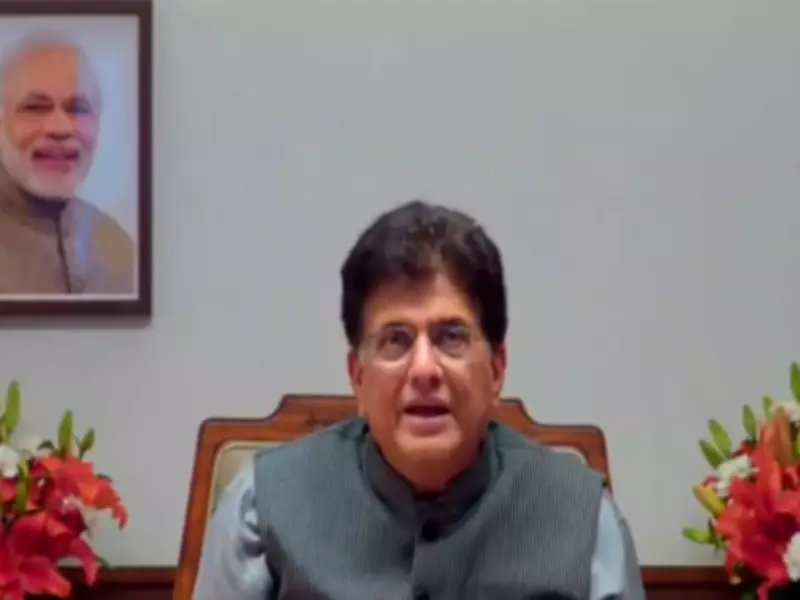
Union Minister of Commerce and Industry Piyush Goyal has called upon industry leaders to maximize the opportunities presented by the India-EFTA Trade and Economic Partnership Agreement (TEPA). In a commemorative session marking two years since the pact's signing, organized by ASSOCHAM via video conference, Goyal highlighted a legally binding $100 billion Foreign Direct Investment (FDI) commitment from the four EFTA nations—Switzerland, Norway, Liechtenstein, and Iceland. He emphasized that this agreement could potentially create one million jobs in India, describing it as a momentous occasion and a major milestone in the nation's economic engagement with Europe.
Deepening Economic Integration and Broader Trade Deals
According to the Ministry of Commerce & Industry, Goyal noted that the India-EFTA TEPA signifies the beginning of deeper economic integration with the European continent. Following this agreement, India has successfully concluded a trade deal with the United Kingdom and finalized a pact with the 27-nation European Union. European Commission President Ursula von der Leyen referred to the EU agreement as the "mother of all deals," underscoring its significance. Goyal expressed optimism about the rapid progress in ratifying the India-UK trade agreement, which was signed on July 24 during Prime Minister Narendra Modi's visit to Chequers, and he anticipates it could enter into force soon.
Transition from Deal to Delivery and Industry Participation
Goyal urged industry associations to actively participate in the transition "from deal to delivery," stressing that trade agreements are meaningful only when they translate into increased trade flows, investments, and technology partnerships. He underscored the unprecedented nature of the $100 billion investment commitment, noting that it is not merely an announcement but a legally binding provision. "Never before in the history of the World Trade Organization or global trade agreements had a Free Trade Agreement been combined with a legally binding investment commitment," Goyal stated.

Safeguards and Early Investment Progress
Detailing the terms of the agreement, Goyal pointed out that it includes a safeguard clause allowing India to claw back benefits extended under the FTA if investment commitments are not fulfilled. He remarked that while other countries have begun attempting similar frameworks, none have secured legally binding commitments of this nature. Highlighting early signs of progress, he noted that Iceland has made a modest beginning with a $30 million investment in the fisheries sector in Maharashtra. "The flood starts with a drizzle," the Minister said, expressing hope that initial investments would grow into a much larger wave of capital.
Protection of Sensitive Sectors and Business Facilitation
Goyal emphasized that the Government carefully safeguarded sensitive sectors, such as agriculture and dairy, during negotiations. He reiterated that concessions were not provided where they could adversely impact domestic stakeholders, ensuring that genetically modified products were denied market access. To facilitate businesses, Goyal informed participants that an FTA desk was created in West India to help connect Indian companies with businesses in partner countries. Quoting Prime Minister Narendra Modi, he said the agreement reflects a steadfast commitment to shared prosperity and building a stronger partnership.
Confidence in Global Opportunities Amid Geopolitical Uncertainties
Despite current geopolitical uncertainties, Goyal expressed confidence that Indian businesses would achieve significant success by leveraging these global opportunities. He called for proactive engagement from the industry to ensure the benefits of the TEPA are fully realized, driving economic growth and job creation in India.