

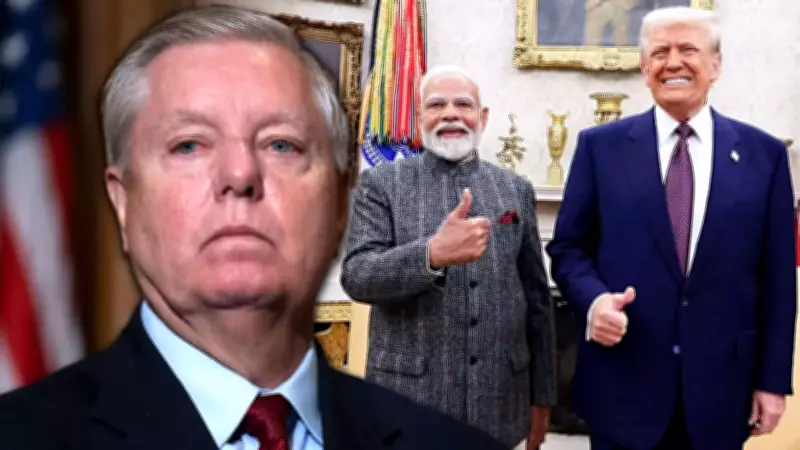
When US Senator Lindsey Graham declared that India has "earned" an 18 percent tariff reduction, it was not a gesture of applause but rather a calculated move wrapped in diplomatic pressure. This statement marks a significant shift from his previous aggressive stance, where he was the loudest voice advocating for imposing 500 percent tariffs on India due to its purchases of Russian oil.
From Threats to Negotiated Compromise
The sudden change in tone came after Washington agreed to reduce duties on Indian exports, a development that has sparked intense political analysis in both capitals. Graham openly praised former President Donald Trump's pressure tactics, suggesting that India had recalculated its energy choices in response to American demands.
India's Strategic Silence Speaks Volumes
However, New Delhi's official response told a different story. Prime Minister Narendra Modi's statement carefully avoided any reference to Russian oil imports, zero tariffs, or the speculated 500 billion dollar buying commitment that had been circulating in diplomatic circles. This deliberate omission has created a gap that political opponents in Washington have been quick to exploit.

Even US officials have acknowledged the broader context: Europe continues to purchase Russian crude oil, while China remains the largest purchaser globally. Against this backdrop, India has maintained a consistent position prioritizing energy security above all else, with sourcing decisions driven primarily by price considerations and availability.
The Reality Behind Graham's Grudging Approval
Graham's seemingly positive remarks about the tariff reduction actually reflect frustration rather than dominance. The senator's grudging approval comes from recognizing that India did not make public concessions, did not rush into agreements, and did not surrender its policy autonomy despite intense pressure.
A Win for Indian Negotiation Strategy
The 18 percent tariff cut represents a clear victory for India's negotiation approach. Rather than submitting to external demands, India secured tangible economic benefits while maintaining its sovereign decision-making capacity regarding energy imports. This outcome demonstrates that careful diplomacy and strategic patience can yield favorable results even when facing significant pressure from powerful trading partners.
The episode reveals how trade negotiations often involve complex layers of diplomacy, where public statements may conceal private calculations. India's ability to navigate these tensions while advancing its economic interests showcases the maturity of its foreign policy approach in an increasingly multipolar world.






