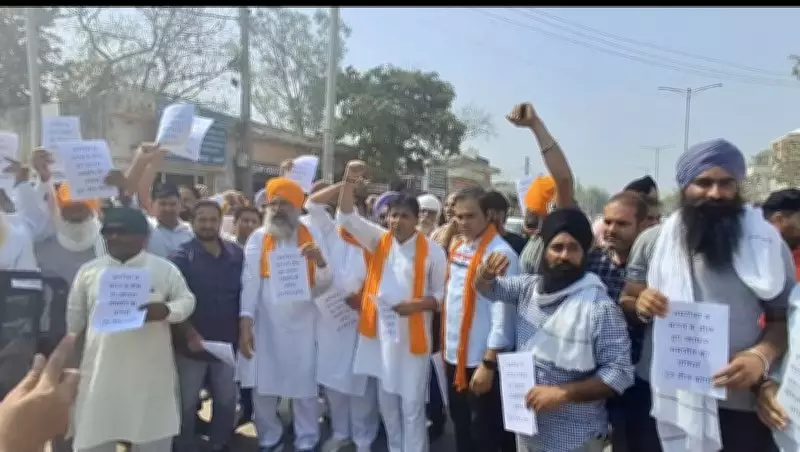
Haryana Farmers Stage Protest March Against India-US Trade Deal
Farmers in Haryana have taken to the streets in a significant demonstration, voicing their strong opposition to the proposed trade agreement between India and the United States. The protest march, which unfolded across multiple districts including Pundri, Ambala, and Kurukshetra, highlights growing anxieties within the agricultural community regarding the potential consequences of such a deal.
Key Concerns Driving the Protest
The farmers' primary grievances center on fears that the India-US trade deal could severely undermine their livelihoods. Participants in the march expressed worries about increased market competition from imported agricultural products, which they believe may lead to a decline in domestic prices and threaten the sustainability of local farming practices. Many protesters emphasized that the deal might not adequately protect Indian farmers' interests, potentially exposing them to unfair trade practices and economic instability.
Details of the Protest March
The demonstration was organized by various farmer groups and saw substantial participation from agricultural workers across the region. In Pundri, Ambala, and Kurukshetra, protesters gathered in large numbers, carrying banners and chanting slogans to draw attention to their demands. The march proceeded peacefully, with farmers calling for a reevaluation of the trade negotiations to ensure that their concerns are addressed before any agreement is finalized.

Local Impact and Community Response
The protest has resonated deeply within Haryana's rural communities, where agriculture remains a cornerstone of the economy. Farmers argue that any trade deal must include safeguards to prevent adverse effects on small-scale producers and promote fair trade conditions. The event has also sparked discussions among policymakers and stakeholders about balancing international trade ambitions with the need to support domestic agricultural sectors.
Broader Implications for India-US Relations
This protest underscores the complex dynamics involved in India-US trade relations, particularly in sectors like agriculture that are sensitive to global market shifts. As both nations negotiate terms, the voices of Indian farmers add a critical dimension to the dialogue, emphasizing the importance of inclusive policies that consider socio-economic impacts at the grassroots level. The demonstration serves as a reminder that trade agreements must align with national interests and protect vulnerable communities from potential disruptions.
Looking Ahead
The farmers' protest in Haryana is likely to influence ongoing discussions around the India-US trade deal, prompting calls for greater transparency and stakeholder engagement. As the situation develops, it will be crucial to monitor how authorities respond to these concerns and whether adjustments are made to address the agricultural sector's apprehensions. This event highlights the ongoing challenges in crafting trade policies that foster economic growth while safeguarding local industries and livelihoods.