

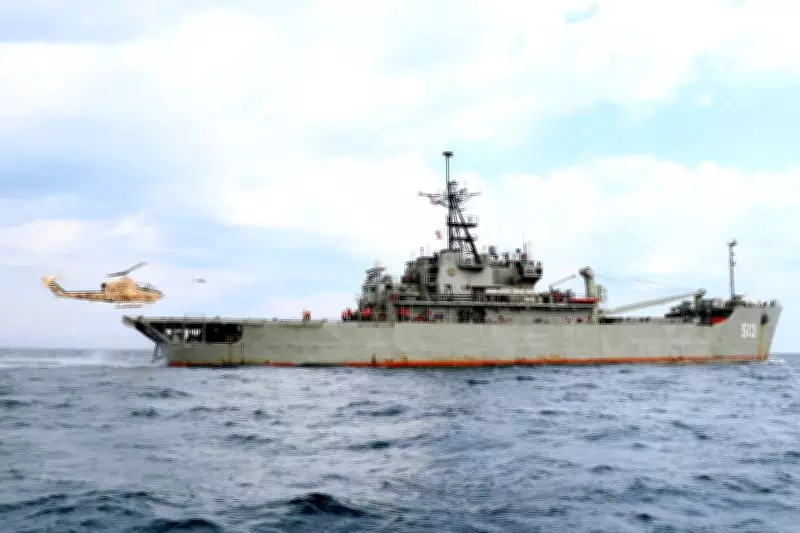
Hormuz Strait Closure Threatens Half of India's Vital Oil Imports
The Strait of Hormuz, a narrow maritime passage between the Persian Gulf and the Gulf of Oman, stands as one of the world's most critical energy chokepoints. For India, a nation heavily reliant on imported crude oil to fuel its rapidly growing economy, the potential closure of this strategic waterway represents a severe and immediate threat to its energy security.
A Critical Lifeline for India's Energy Needs
India imports approximately 85% of its crude oil requirements to meet domestic demand. A staggering portion of these imports, estimated at nearly 50%, transits through the Strait of Hormuz. This route is the primary conduit for oil shipments from key suppliers in the Middle East, including Saudi Arabia, Iraq, the United Arab Emirates, and Iran. Any disruption to this flow would have a direct and profound impact on India's refining capacity, fuel prices, and overall economic health.
Geopolitical Tensions and the Risk of Closure
The strait has long been a flashpoint for regional tensions. Its strategic importance makes it a potential target in geopolitical conflicts, particularly involving Iran. Threats of closure, whether through military blockade, mining, or other hostile actions, are not merely hypothetical. Such an event would trigger a global energy crisis, with India being among the hardest-hit nations due to its disproportionate dependence on this single route.

The consequences would be multifaceted:
- Supply Shock: An immediate and severe shortage of crude oil for Indian refineries.
- Price Volatility: Global oil prices would skyrocket, increasing India's import bill and widening its current account deficit.
- Economic Strain: Higher fuel costs would cascade through the economy, fueling inflation and potentially slowing economic growth.
- Strategic Vulnerability: It would expose a critical weakness in India's energy infrastructure and supply chain resilience.
India's Mitigation Strategies and Future Preparedness
Recognizing this vulnerability, Indian policymakers and energy experts have emphasized the urgent need for diversification and strategic stockpiling. Key measures include:
- Diversifying Import Sources: Increasing crude oil purchases from non-Middle Eastern suppliers like the United States, Russia, and nations in Africa and Latin America.
- Expanding Strategic Petroleum Reserves (SPRs): Enhancing the capacity of India's underground SPR facilities to hold more crude oil as a buffer against supply disruptions.
- Exploring Alternative Routes: Investigating and investing in pipeline projects and other logistical corridors that bypass the Strait of Hormuz, though these options are often complex and costly.
- Diplomatic Engagement: Intensifying diplomatic efforts to ensure the strait remains open and secure, working with global partners and regional stakeholders.
While these strategies are crucial, the sheer scale of India's dependence means that a prolonged closure of the Strait of Hormuz would inevitably cause significant economic disruption. The situation underscores the delicate balance between energy security and geopolitical stability in one of the world's most volatile regions.






