

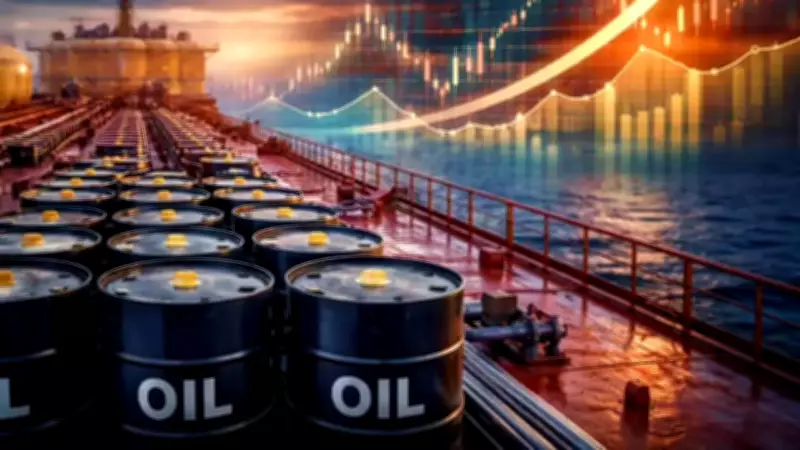
Strait of Hormuz Reopening Brings Major Relief to Indian Trade and Energy Sectors
Indian oil companies, fertiliser importers, and exporters are celebrating the reopening of the Strait of Hormuz for global commercial vessels. This critical maritime passage had been blocked by Iran since February 28, following a joint military strike by the US and Israel, disrupting normal movement for over 45 days.
Significant Cargo Awaiting Passage
Currently, there are 41 India-bound ships, both Indian and foreign-flagged, loaded with essential cargo waiting to cross the narrow 36-kilometer channel. These vessels carry crude oil, liquefied petroleum gas (LPG), liquefied natural gas (LNG), and fertilisers. Among them, 15 are Indian-flagged, while the remaining 26 are foreign-flagged.
Breakdown of the cargo includes:

- 10 ships loaded with crude oil
- 4 LPG tankers
- 3 carrying LNG
- Over a dozen vessels transporting fertilisers, crucial for India's upcoming kharif sowing season
Immediate Impact on Oil Prices and Freight Costs
Soon after the announcement of the reopening, oil prices retreated below $90 per barrel. Brent futures were trading 11.5% lower at $87.9 a barrel. This decline is expected to translate into lower transport costs, providing a significant boost across various sectors.
"The fall in oil prices will result in a decline in international freight rates, which will be a big gain across sectors," said Dev Garg, director at Singapore-based shipping firm Eximwala Solutions.
Exporters Express Relief and Optimism
Exporters, who had faced severe challenges due to the closure, are now hopeful for a return to normalcy. Danish Shah of Pune-based Sanghar Exports noted that freight costs had skyrocketed, making exports to West Asia—a key market—almost unviable. For instance, banana exports to the region were suspended due to perishability and uncertainty.
"We need to see how shipping lines respond to it. Currently, it is unviable to export," Shah added.
However, with the reopening, exporters are expected to push shipments aggressively in the coming days, depending on the availability of ships and containers. Amit Marwah, MD of Amritsar-based DRRK Foods, anticipates increased demand from West Asia. His company has 18,000 tonnes of basmati rice stranded at Indian ports, which he expects to start moving soon.
"We are expecting bulk demand from the region, especially with freight rates expected to come down," Marwah said. Freight rates had surged four-to-five times, from $700 per container to Jeddah port to much higher levels during the closure.
Broader Benefits for Indian Exports
Ajai Sahay, director general at the exporters' body Fieo, highlighted that the reopening will not only facilitate trade with West Asia but also shorten routes for cargo destined for Europe. "This will result in a shorter route for cargo meant for Europe. It is positive for our exports in April," he stated.
Officials tracking the developments reported that around two dozen Middle East-bound ships are waiting at Indian ports. A senior official at a government-owned port mentioned, "Things will be clearer in the next couple of days as more ships start crossing the Strait. How shipping lines complete procedures and negotiate war risk charges with insurers remains to be seen. It takes four-to-six days for ships to travel from west of Hormuz to Indian ports. The resumption of free sailing will bring huge relief."
Diplomatic Efforts and Energy Security
During the closure, India used diplomatic channels to ensure the safe passage of nine Indian merchant ships, all carrying LPG—the primary cooking fuel in the country. The government has not disclosed details about foreign-flagged vessels, citing trade confidentiality as these are chartered by different firms.
To mitigate energy supply shortages, officials confirmed that India secured supplies from diversified sources over the past 45 days. The arrival of cargo from ships waiting to clear the Strait is expected to ease pressure on energy supplies, which had been severely disrupted due to military conflict in West Asia.

In summary, the reopening of the Strait of Hormuz marks a pivotal moment for Indian trade, promising reduced costs, enhanced export opportunities, and stabilized energy supplies in the coming weeks.





