

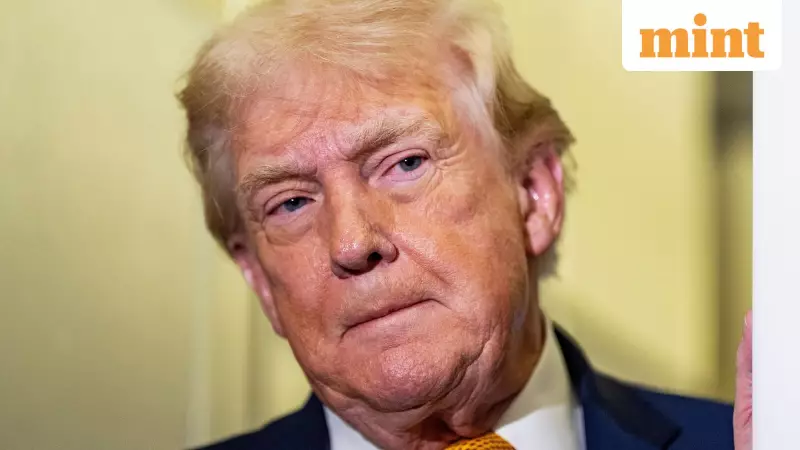
President Donald Trump's aggressive 'America First' trade policy is forcing nations worldwide into a delicate diplomatic dance. The recent announcement of a trade agreement with Vietnam underscores a growing trend: countries are opting for limited, strategic concessions to avoid the brunt of sweeping US tariffs. This comes amid a self-imposed deadline by the Trump administration, which initially promised "90 deals in 90 days" but has seen slower progress, leading to heightened global economic uncertainty.
The Strategy of Minimal Concessions
Facing the threat of massive reciprocal tariffs, most of America's trading partners have adopted a cautious approach best described as Diplomacy Over Visible Escalation (DOVE). The goal is to prevent an all-out trade war while protecting core domestic interests. The deals with Britain in May and Vietnam in July are prime examples of this strategy in action.
The agreement with the United Kingdom was notably narrow. Britain secured a reprieve from potential US tariffs on automobiles and aircraft parts. In return, it offered market access for American beef and ethanol and made pledges to limit Chinese influence in its supply chains, deferring more complex issues for future discussions.

Similarly, Vietnam's deal, personally hailed by President Trump on July 2nd, involved opening its market to American SUVs and accepting higher tariffs on Chinese packages transshipped through Vietnam to the US. This concession helped Vietnam reduce the threatened levy on most of its goods to 20%, down from a staggering 46% threatened in April.
Global Players and Their Balancing Acts
Other major economies are following a similar script, offering meagre concessions in hopes of gaining exemptions from Trump's tariff hammer. The European Union, despite preparing a robust retaliation package, has shown willingness to discuss an overall 10% tariff and has already removed bourbon from its retaliation list after US threats. It is also open to buying more American weapons and natural gas.
India is on track for an interim deal after significantly increasing its oil imports from the United States and indicating further purchases of liquefied natural gas, fruits, and nuts. However, New Delhi remains firm on protecting sensitive sectors like dairy and wheat.
Japan has proposed a plan to gradually reduce auto tariffs linked to direct investment in the US car industry but has firmly ruled out the 25% car tariffs or any farm concessions that could upset voters before a crucial upper house election on July 20th.
Obstacles and the Fragmented Future
Even these limited frameworks face significant hurdles. Domestic political pressures make full capitulation impossible for many nations. Furthermore, uncertainty persists over sectoral probes in the US targeting medicines and semiconductors, which could lead to more targeted tariffs and chill negotiations.
As the July 9th deadline approaches, a few more "agreements in principle" are expected. However, the core disputes over agriculture, automobiles, and digital rules will likely remain unresolved. The coming months will likely bring a series of mini-deals, continued market volatility, and a more fragmented global trading system where everyone is left guessing about the next move.
The ultimate gains for America from this approach remain unclear. Tariffs aimed at reshoring industry are often undermined by exemptions, and concessions extracted often result only in token purchases. Instead of disciplining partners, the strategy has created a patchwork of deals that benefits no one in the long run.






