

India Isolated as Turkey Withdraws Opposition to China-Backed WTO Investment Deal
In a significant development at the World Trade Organization ministerial meeting in Cameroon, India now stands alone in its opposition to a China-backed investment facilitation agreement. This follows Turkey's decision to drop its resistance to the proposal, leaving New Delhi as the sole major economy attempting to keep the agreement outside the formal WTO framework during the crucial final 24 hours of negotiations.
The Investment Facilitation Battle
The Indian government has maintained steadfast opposition to the Investment Facilitation for Development agreement, which has garnered support from 130 of the WTO's 160 member countries. New Delhi argues this plurilateral agreement represents a backdoor method to legitimize a treaty whose negotiations were never formally approved by the entire WTO membership. Indian officials contend that accepting this agreement would establish dangerous precedents with far-reaching implications for future trade negotiations and global economic governance.
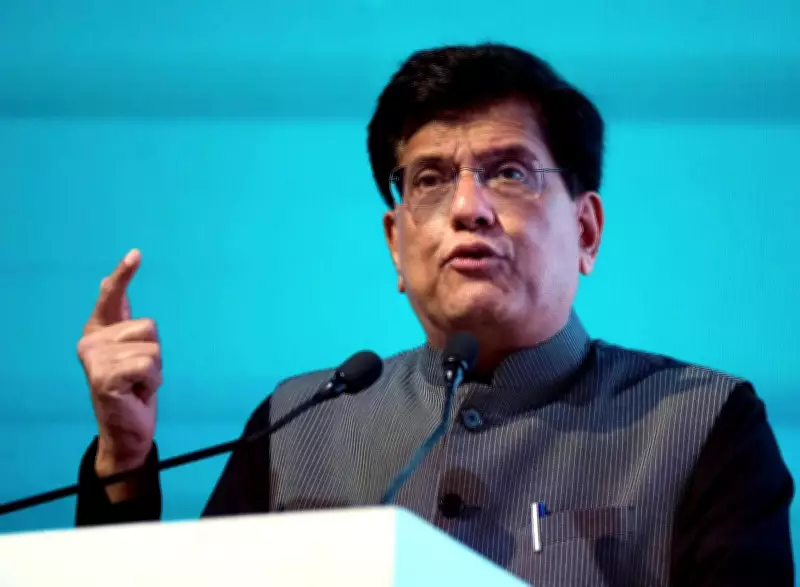
Commerce and Industry Minister Piyush Goyal leads India's negotiating team through this complex diplomatic landscape. The investment facilitation agreement represents just one of several critical battles India must navigate during these high-stakes talks that could reshape global trade rules for decades to come.

Multiple Fronts in WTO Negotiations
Beyond the investment facilitation dispute, India faces additional challenges on other negotiation fronts:
- Digital Trade Agreement: A separate group of 66 countries, including economic powers like the United Kingdom and Japan, pushed on Saturday for a plurilateral agreement on digital trade, creating another dimension to the complex negotiations.
- E-Commerce Moratorium: The United States is aggressively pursuing a permanent moratorium on e-commerce that would prevent countries from imposing customs duties on digital downloads and streaming services. Washington has attempted to secure this outcome by offering a special package for least developed African countries, demonstrating the Trump administration's hardline negotiating tactics despite its frequent criticism of the WTO system.
India's Strategic Position on Digital Duties
For nearly three decades, India has strategically used the e-commerce duty issue as a bargaining chip in WTO negotiations. New Delhi recognizes that imposing tariffs on digital streaming and downloads could generate significant revenue for India and other developing economies while potentially disadvantaging technology powerhouses like the United States. Despite this history of using the issue as leverage, India remains open to finding a mutually acceptable solution that balances competing interests.
Unusual Alliances and Reform Efforts
In a notable development, India finds itself aligned with typically divergent partners including the United States, Russia, and Pakistan on the crucial issue of WTO reform. Together with Egypt and Paraguay, these nations are advocating for a comprehensive reform plan rather than a more limited work program for the 31-year-old multilateral trade body. This unusual coalition underscores the widespread recognition that the WTO requires substantial modernization to remain relevant in the 21st-century global economy.
Fisheries Subsidies Compromise
On Saturday, India demonstrated its willingness to compromise by supporting the adoption of a draft decision on fisheries subsidies. However, New Delhi attached an important condition to its endorsement. Commerce Minister Piyush Goyal emphasized that any further decisions must deliver equitable and development-oriented outcomes that protect both marine resources and the livelihoods of fishing communities. Goyal communicated this nuanced position publicly through his social media account, highlighting India's commitment to sustainable development principles.
As negotiations enter their final critical phase, India's diplomatic team faces the challenging task of defending national interests while contributing to meaningful global trade reforms. The outcome of these discussions will significantly influence international economic relations and determine whether the WTO can effectively address contemporary trade challenges.






