

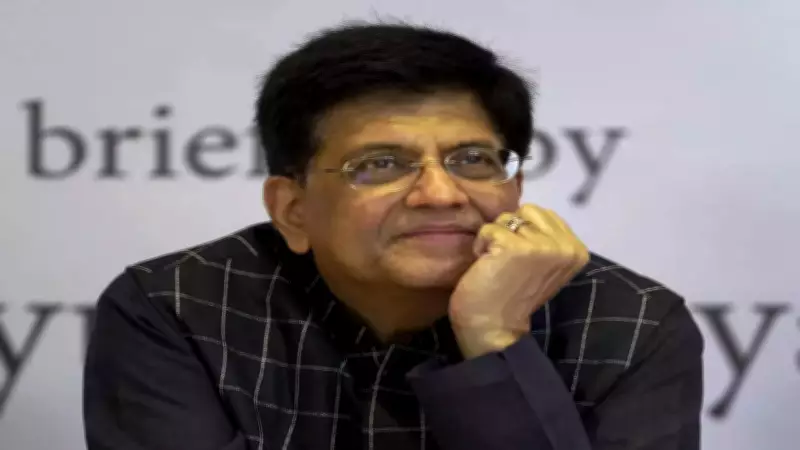
India Advocates for WTO Reforms with Development at Core
India has expressed its support for reforming the World Trade Organisation (WTO) while underlining the critical need to maintain a focus on poor and developing countries and uphold a consensus-driven decision-making process. Commerce and Industry Minister Piyush Goyal made these remarks during his intervention at a ministerial meeting that commenced on Thursday.
Key Principles for Reform
In his address, Goyal emphasized that the necessary reform of the WTO should be conducted through a transparent, inclusive, and member-driven process. He stressed that development must remain at the core of these reforms, with the foundational principles of the organisation—such as non-discrimination, consensus-based decision making, and equity—being upheld. Special and differential treatment (S&DT) for developing nations should be precise, effective, and operational, according to Goyal.
Addressing Past Mandates and Dispute Resolution
Goyal highlighted the importance of delivering on past mandates given by WTO members and called for the revival of the dispute settlement mechanism. The United States has blocked appointments to the appellate body, which has stalled the entire process of dispute resolution. This blockage has created significant challenges for resolving trade conflicts efficiently.

Concerns Over Unresolved Issues
The minister also flagged concerns regarding the failure of the WTO membership to address critical issues affecting poor countries. Specifically, he mentioned:
- The concerns of poor countries that grow and export cotton.
- India's long-pending issues related to public stockholding, which has been unresolved for 12 years with ministers repeatedly delaying action.
Goyal asserted that these matters must be prioritized and resolved promptly to ensure fairness in global trade.
Opposition to Plurilateral Agreements and E-commerce Waivers
India expressed reservations about China's push for an investment facilitation framework, though it did not explicitly name China. Goyal stated that the incorporation of plurilateral outcomes into the WTO framework should be based on consensus and must not impair the existing rights of non-parties or impose additional obligations on them. A plurilateral agreement, which India insists requires consensus approval, allows a group of countries to finalize pacts on specific issues like IT goods.
Additionally, Goyal suggested that India is not keen on continuing the customs waiver for e-commerce, indicating a cautious approach towards digital trade policies that could impact developing economies.
Conclusion
India's stance at the WTO ministerial meeting reflects a balanced approach, advocating for reforms while safeguarding the interests of developing nations. By emphasizing consensus, development, and operational special treatment, India aims to shape a more equitable global trade environment. The call to address unresolved issues and revive dispute mechanisms underscores the need for timely and effective action within the WTO framework.






