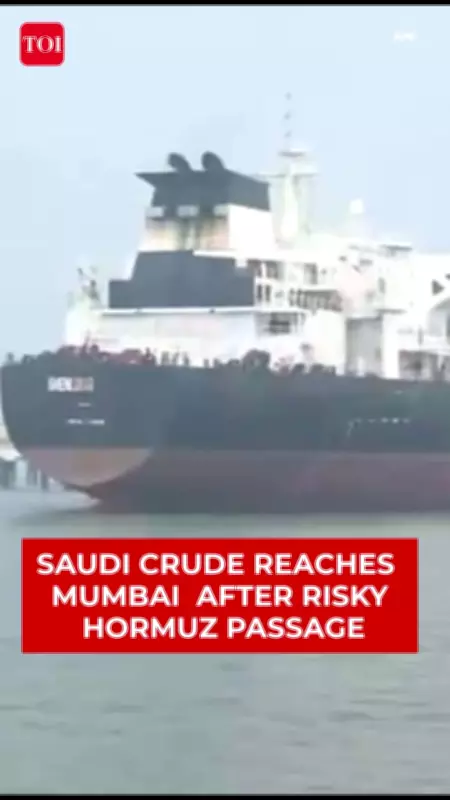
First India-Bound Oil Tanker Successfully Navigates Strait of Hormuz War Zone
In a landmark event for global trade and energy security, the first India-bound oil tanker has broken through the Strait of Hormuz war zone, arriving safely at the port of Mumbai. This development comes amid escalating tensions in the region, which have threatened vital maritime routes and disrupted international oil supplies.
Navigating High-Risk Waters
The Strait of Hormuz, a narrow chokepoint between the Persian Gulf and the Gulf of Oman, is one of the world's most critical oil transit routes, handling about one-fifth of global oil consumption. Recent conflicts and military activities in the area have turned it into a high-risk war zone, prompting concerns over shipping safety and energy flow stability.
The successful passage of this India-bound tanker marks a crucial moment, demonstrating resilience in the face of geopolitical challenges. It highlights the efforts by shipping companies and international authorities to ensure the continuity of oil deliveries despite volatile conditions.

Impact on India's Energy Security
India, as one of the world's largest oil importers, relies heavily on shipments from the Middle East, with a significant portion passing through the Strait of Hormuz. Any disruption in this route could lead to supply shortages and price spikes, affecting the nation's economy and energy policies.
The safe arrival of the tanker in Mumbai is expected to bolster India's energy security, providing a much-needed boost to its strategic reserves and industrial operations. It also underscores the importance of diversifying energy sources and enhancing maritime surveillance to mitigate future risks.
Global Trade Implications
The breakthrough has broader implications for global trade, as it sets a precedent for other vessels navigating the war-torn strait. Key points include:
- Enhanced Safety Protocols: Shipping companies may adopt stricter safety measures and coordination with naval forces to protect vessels.
- Economic Stability: Continued oil flow helps stabilize global markets, preventing price volatility and supply chain disruptions.
- Diplomatic Efforts: This event could spur international diplomacy to de-escalate tensions and secure maritime routes for peaceful commerce.
As regional conflicts persist, the successful transit of this India-bound oil tanker serves as a testament to the resilience of global shipping networks. It reinforces the need for collaborative efforts among nations to safeguard critical trade corridors and ensure energy security in an increasingly uncertain world.