

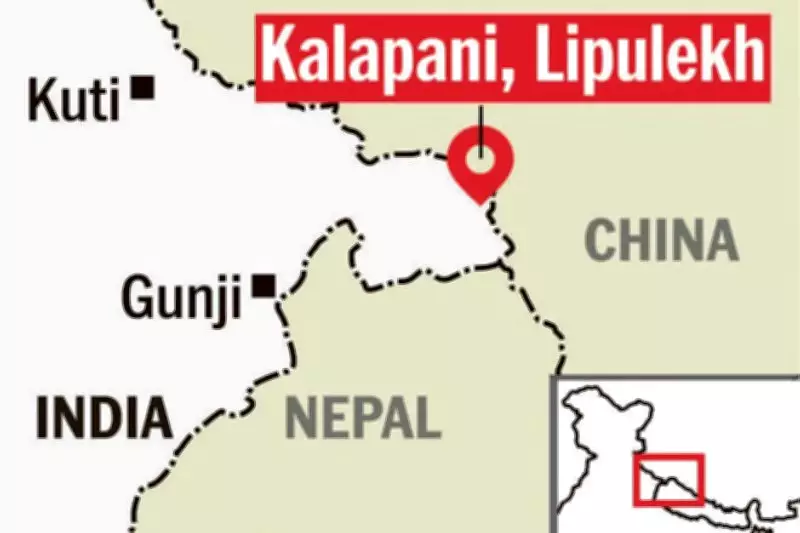
Historic Himalayan Trade Route to Reopen in 2026
After a prolonged six-year hiatus, cross-border trade between India and China through the strategic Lipulekh Pass in Uttarakhand's Pithoragarh district is poised to recommence this year. This significant development marks a revival of economic activity along a historic Himalayan corridor that has faced multiple suspensions over decades.
Government Green Light and Preparatory Actions
According to official reports, District Magistrate Ashish Bhatgai has confirmed that preparations for the upcoming trade session, scheduled from June to September 2026, have been initiated following directives from the union government. The process gained momentum after the Ministry of External Affairs issued a crucial No Objection Certificate (NOC), paving the way for operational readiness.
The administrative machinery is now in motion, with Foreign Secretary Vikram Misri formally requesting Uttarakhand Chief Secretary Anand Bardhan to facilitate the reopening of trade across this high-altitude route. Corresponding permissions have also been secured from the Ministry of Home Affairs and the Ministry of Commerce and Industry, ensuring a multi-departmental consensus.

Comprehensive Infrastructure and Coordination Plans
State authorities have been instructed to mobilize relevant departments to guarantee a smooth resumption of trade for the 2026 session. A key aspect of the preparation involves enhancing bilateral coordination, with plans to share contact details of local Indian officials with their Chinese counterparts to foster seamless communication.
To support the trading activities, a detailed action plan is being drafted that encompasses several critical components:
- Issuance of trade passes to authorized merchants
- Designation of specific banks for currency exchange operations
- Involvement of the Customs Department for regulatory compliance
- Active participation of the Dharchula local administration
The infrastructure blueprint also includes provisions for transit camps, banking services, reliable communication networks, robust security arrangements, and essential medical facilities for traders, ensuring a safe and efficient trading environment in the challenging terrain.
A Legacy of Intermittent Trade and Recent Challenges
Lipulekh Pass has a storied history as a trade conduit between India and China. Following the 1962 India-China War, trade was initially prohibited but was successfully revived in 1991. Since that revival, traders from Pithoragarh have regularly traversed this route to access the Tibetan market of Taklakot, exchanging a variety of goods.
However, this economic exchange faced another major disruption in 2020 when both the Kailash Mansarovar Yatra pilgrimage and border trade were suspended due to the global Covid-19 pandemic. While the pilgrimage resumed in 2025, trade negotiations between the two nations encountered delays, extending the hiatus.
The recent breakthrough in diplomatic and administrative discussions has now cleared the path for commerce to restart, signaling a potential thaw in bilateral economic engagement and offering renewed opportunities for local traders and regional economic development in Uttarakhand.






