

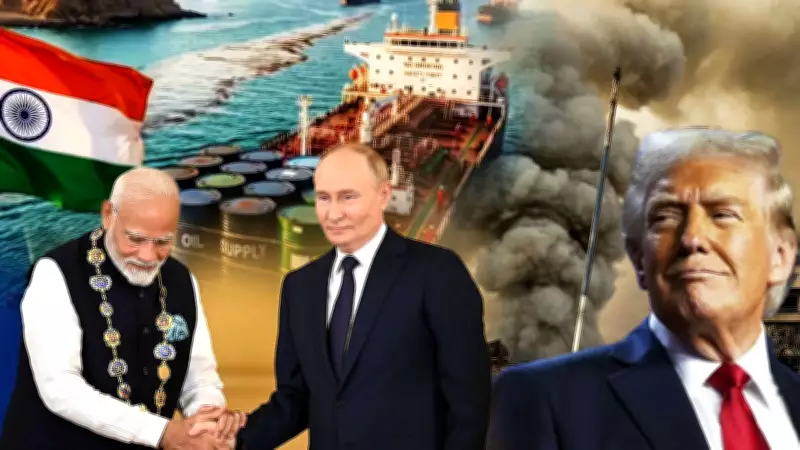
India Confident of Fuel Security Amid Gulf Crisis with Russian Support
India is actively implementing contingency strategies as escalating tensions in the Gulf region continue to destabilize global oil markets. The strategic Strait of Hormuz, a critical maritime chokepoint through which a significant portion of India's oil imports flows, remains a focal point of concern. In this volatile backdrop, Russia has formally indicated its readiness to provide additional crude supplies to India, offering a potential buffer against supply disruptions.
Strategic Reserves and Official Assurance
Government officials have disclosed that India currently maintains approximately 25 days of crude oil reserves, complemented by an additional 25 days of stockpiled petroleum products. This strategic buffer is part of a broader energy security framework designed to mitigate short-term supply shocks. Petroleum and Natural Gas Minister Hardeep Singh Puri has publicly assured the nation that there is no immediate cause for alarm regarding fuel availability, emphasizing the robustness of India's preparedness measures.
Economic Challenges and Energy Strategy
Despite these assurances, the rising Brent crude prices pose a significant economic challenge, with the real threat being mounting inflationary pressure that could impact the broader economy. India's comprehensive energy strategy now hinges on a multi-pronged approach:

- Buffer Stocks: Maintaining and potentially expanding strategic petroleum reserves to cushion against market volatility.
- Supply Diversification: Actively seeking alternative sources and routes to reduce dependency on any single region or corridor.
- Rapid Response Mechanisms: Enhancing logistical and diplomatic capabilities to swiftly address emerging supply disruptions.
The offer of support from Russia, despite geopolitical complexities, underscores India's diplomatic maneuvering to secure its energy interests. This development occurs against a backdrop of international tensions, where India's energy decisions are closely watched by global powers.
As the situation evolves, India's ability to balance domestic fuel security with international diplomatic relations will be critical. The government's proactive stance, combined with strategic reserves and diversified supply chains, aims to ensure that the energy needs of over 1.4 billion citizens remain met without significant disruption, even in the face of ongoing global uncertainties.






