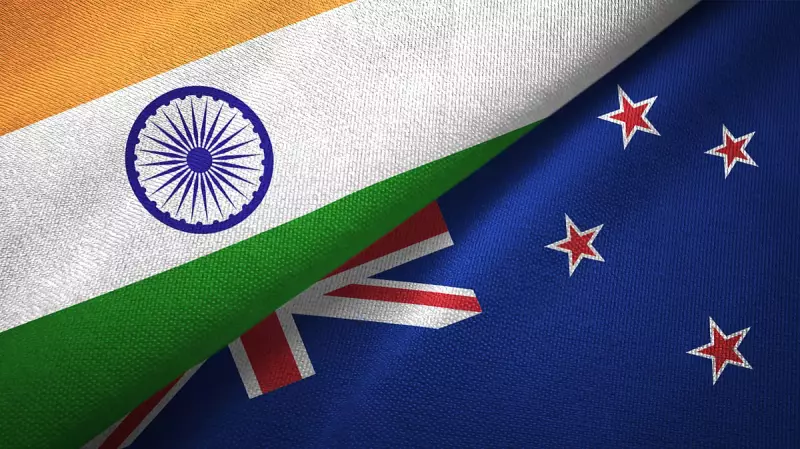
In a significant move to shield its domestic agricultural and industrial sectors, the Indian government has firmly declined New Zealand's request for tariff concessions on a range of sensitive products. The decision, emerging from ongoing discussions to review the existing bilateral trade agreement, covers crucial items like dairy, vegetables, sugar, and certain metals.
Key Sectors Shielded from Tariff Cuts
Official sources confirmed that New Zealand had sought improved market access by requesting the elimination or reduction of import duties on several goods. However, India has stood its ground, particularly on items where its own producers are vulnerable. The list of products denied concessions is telling of India's protective stance.
The most notable exclusions are in the dairy sector, a politically and economically sensitive industry in India that supports millions of farmers. New Zealand, a global dairy export powerhouse, had hoped for lower duties on its dairy products. Similarly, requests for concessions on various vegetables and sugar have been turned down, safeguarding Indian farmers from a potential influx of cheaper imports.

Beyond agriculture, the Indian side has also refused to grant duty concessions on certain industrial goods. This includes items made of copper and aluminium, indicating a broader strategy to protect domestic manufacturing interests across sectors.
Background of the Trade Pact Review
This development is part of the review process for the India-New Zealand Trade Agreement, which was originally signed in 1986. The pact, formally known as the Agreement on Economic Cooperation, is being re-evaluated by both nations to align it with current trade realities and demands. While New Zealand is pushing for greater access to the large Indian market, India is carefully balancing the benefits of increased trade with the need to protect its key domestic industries.
The talks highlight a common tension in free trade negotiations, where developed agricultural exporters seek entry into emerging markets, while the latter seek to defend their agrarian economies. India's position reflects its longstanding policy of treating sectors like dairy as a "sacred cow," off-limits in most trade talks due to socio-economic considerations.
Implications and the Road Ahead
The refusal to grant concessions on these specific items sets clear boundaries for the ongoing negotiations. It signals to New Zealand and other trading partners that India will not compromise on core sectors that impact its vast rural population and strategic industries. The move is likely to be welcomed by Indian farmer unions and industry bodies who have consistently opposed liberalising imports in these areas.
For New Zealand, this represents a setback in its efforts to deepen trade ties with one of the world's fastest-growing major economies. The focus of the talks may now shift to other goods and services where mutual gains are more feasible. The outcome underscores that any expansion of the trade pact will have to carefully navigate India's defensive interests.
As both countries continue their dialogue, the protection of dairy, vegetables, sugar, and metals remains a non-negotiable red line for New Delhi. The final contours of the reviewed agreement will depend on what reciprocal benefits India can secure in sectors like services, technology, and other non-sensitive goods.