India's Calculated Diplomatic Response to Khamenei's Death in US-Israel-Iran Conflict
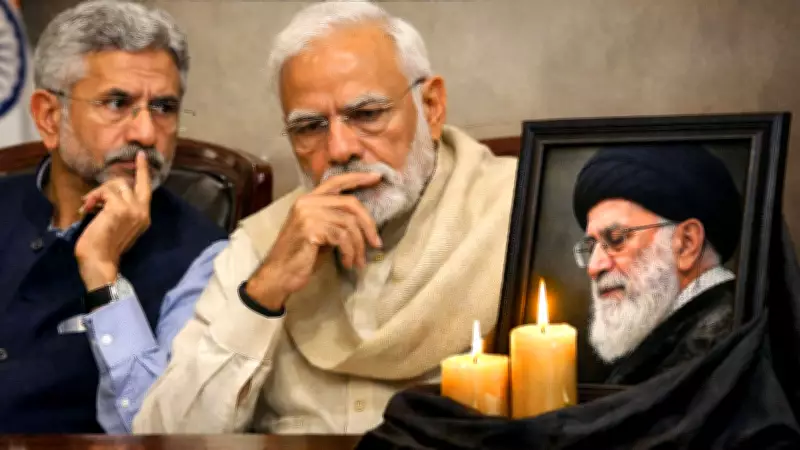
In the wake of the death of Iran's Supreme Leader Ayatollah Ali Khamenei during US-Israel military strikes, India has adopted a carefully measured and strategic diplomatic position, refraining from outright condemnation and instead calling for restraint and peaceful dialogue. This nuanced approach underscores New Delhi's commitment to balancing complex geopolitical realities with its national interests in a volatile West Asia region.
Prime Minister Modi's Grave Concerns and Diplomatic Priorities
Prime Minister Narendra Modi has characterized the escalating situation in West Asia as a matter of grave concern, highlighting India's primary focus on maintaining regional stability through diplomatic channels. The government's response has been deliberately calibrated to avoid inflammatory rhetoric, instead urging all parties to exercise maximum restraint and engage in constructive dialogue to prevent further escalation of hostilities.
Historical Context Shaping India's Measured Reaction
India's restrained response is significantly influenced by historical tensions with the late Supreme Leader Khamenei, who had repeatedly intervened in India's internal affairs. Key points of contention included:

- Kashmir Issue: Khamenei's persistent commentary on the Kashmir dispute, which India considers an internal matter
- Article 370: Iran's criticism of India's constitutional changes regarding Jammu and Kashmir's special status
- 2020 Delhi Riots: Iranian statements perceived as interference during communal tensions in India's capital
These historical factors have contributed to New Delhi's calculated diplomatic positioning rather than an emotional or politically charged response.
Strategic National Interests Driving Policy
The Ministry of External Affairs has articulated clear priorities that guide India's approach to this international crisis:
- Regional Security: Ensuring stability in West Asia, a region of critical strategic importance to India
- Indian Diaspora Protection: Safeguarding the welfare of millions of Indian citizens living and working across the Middle East
- Energy Security: Maintaining uninterrupted flows of crude oil and natural gas from the region to support India's growing economy
This policy framework reflects a pragmatic, national-interest-driven approach rather than one influenced by political or communal considerations.
Global Context and Domestic Political Dynamics
India's diplomatic stance aligns with that of most major global powers, who have similarly avoided outright condemnation while calling for de-escalation. Domestically, opposition parties have demanded a more formal government statement on the matter, but New Delhi has maintained its strategic ambiguity, prioritizing long-term diplomatic relationships over short-term political posturing.
The government's approach demonstrates a sophisticated understanding of complex international relations, where immediate reactions must be weighed against broader strategic partnerships and economic dependencies. As the situation continues to evolve, India's emphasis on dialogue and restraint positions it as a potential mediator while protecting its substantial interests in the region.