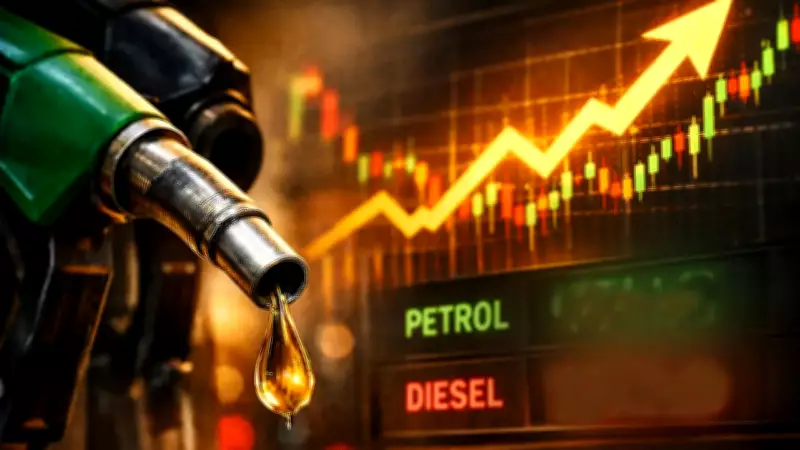
India's Diesel Exports Surge 20% in March Amid Middle East Conflict
India's diesel exports have experienced a significant 20% month-on-month increase in March, reaching 12.90 million barrels, as geopolitical tensions in the Middle East continue to reshape global energy markets. This surge comes despite an overall 8% decline in total refined petroleum product shipments during the same period, highlighting how refiners are strategically adjusting their output to capitalize on shifting market dynamics.
Geopolitical Tensions Drive Diesel Export Economics
According to shipping data from vessel tracking firm Kpler, diesel exports climbed from 10.74 million barrels in February to 12.90 million barrels between March 1 and 28. This substantial increase is directly linked to the ongoing Middle East conflict, which has created favorable economic conditions for middle distillate production.
"Geopolitical tensions in West Asia have tightened middle distillate balances, with diesel and jet fuel cracks strengthening more than gasoline (petrol)," explained Nikhil Dubey, senior research analyst at Kpler. "Higher diesel export volumes are likely supported by improved economics for middle distillate production."

Crack Spreads and Refiner Strategies
The widening gap between crude oil prices and refined diesel prices—known as crack spreads—has created particularly attractive margins for diesel and jet fuel. While crude prices have surged amid the near shutdown of the Strait of Hormuz, the effect has differed significantly across fuel types:
- Diesel and jet fuel crack spreads have climbed to new highs
- Petrol crack spreads have remained broadly stable
- Margins for diesel and jet fuel have surged to fresh highs
Refiners are actively recalibrating their product slate to capitalize on these stronger spreads and profitability dynamics. This strategic adjustment explains why diesel exports have increased even as total refined product shipments have declined.
Contrasting Export Trends Across Fuel Types
The March export data reveals significant variations across different petroleum products:
- Petrol shipments dropped 33% to 8.31 million barrels
- Jet fuel exports slipped 4% to 2.63 million barrels
- Fuel oil shipments rose 27% to 1.71 million barrels
- Naphtha exports fell sharply by 44% to 2.93 million barrels
According to Dubey, the substantial decline in gasoline exports is linked to a strategic shift toward higher LPG output. Refiners are diverting certain hydrocarbon streams away from petrol production and instead processing them into liquefied petroleum gas.
Domestic LPG Production Surges 40%
India has dramatically increased domestic LPG production, with output rising 40% since the onset of the US-Israel conflict with Iran. This strategic move aims to offset supply disruptions from the Gulf region, which previously accounted for approximately 54% of India's LPG consumption.
The production increase represents a significant shift in India's energy strategy as the country works to ensure domestic availability amid regional instability.
Export Controls and Market Players
To maintain sufficient domestic fuel supplies, India has implemented export levies of Rs 21.5 per litre on diesel and Rs 29.5 per litre on jet fuel. These measures are designed to discourage outbound shipments by private refiners while allowing strategic exports to continue.
Among exporters, Reliance Industries accounted for nearly 75% of India's total refined fuel exports during March, demonstrating the company's dominant position in the country's petroleum export market.
Overall Export Picture and Data Considerations
India's total exports of refined petroleum products declined to 31 million barrels in March, down from 33.67 million barrels recorded in February. However, exports classified under the broader 'clean products' category—which includes jet fuel, naphtha, petrol, and diesel—climbed 40% to 1.11 million barrels.

It's important to note that some export figures may be revised upward once complete shipping data becomes available, particularly for jet fuel where global margins have reached record levels.
The contrasting trends across different fuel types underscore how India's refining sector is responding to complex global market conditions created by Middle East tensions, with diesel exports benefiting from particularly favorable economics while other products face different market dynamics.