Historic India-EU Free Trade Agreement Reached After Two Decades of Talks
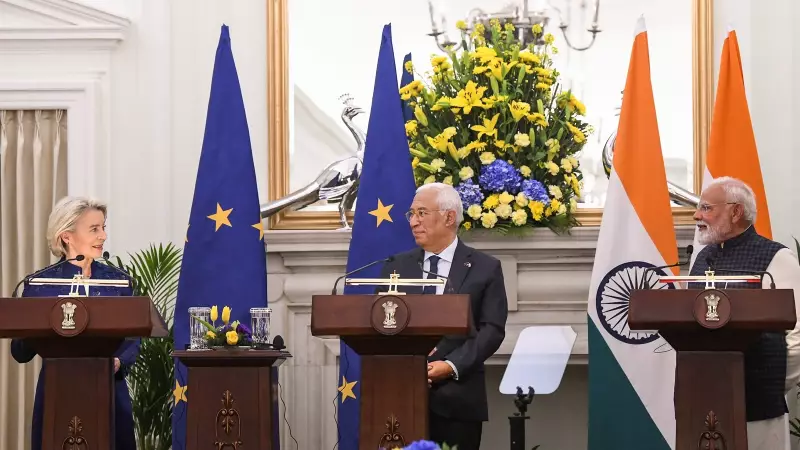
In a landmark development for international trade, India and the European Union have formally concluded negotiations for their long-awaited free trade agreement (FTA). The announcement was made during the India-EU Summit held in New Delhi on Tuesday, marking the successful culmination of nearly twenty years of complex diplomatic and economic discussions.
Prime Minister Modi Hails "Mother of All Deals"
Prime Minister Narendra Modi, speaking alongside European Council President António Luís Santos da Costa and European Commission President Ursula von der Leyen, described the agreement as transformative for India's economic landscape. "This trade deal will significantly boost manufacturing capabilities within India while simultaneously expanding our services-related sectors," Modi stated during a virtual address from the India Energy Week in Goa.
The Prime Minister emphasized that this comprehensive FTA, which he termed the "mother of all deals," would strengthen global business confidence in India's market potential and attract substantial foreign investment across multiple industries.

Key Components of the India-EU Agreement
The newly concluded agreement encompasses several critical elements designed to foster economic cooperation between India and the 27-member European bloc:
- Trade Liberalization: Significant reduction of tariffs and trade barriers across numerous product categories
- Services Expansion: Enhanced market access for Indian service providers in European markets
- Mobility Pact: A separate agreement facilitating easier movement of Indian students, skilled workers, and professionals across EU member states
Sector-Specific Benefits for Indian Industries
Several key sectors within the Indian economy stand to gain substantially from this agreement:
- Textiles: Expected increase in exports to European markets with reduced tariff barriers
- Gems and Jewelry: Enhanced access to luxury markets across Europe
- Leather Goods: Opportunity to expand market share in quality-conscious European markets
- Jute Products: Potential growth in eco-friendly product exports
Strategic Timing and Global Context
The mobility pact component arrives at a particularly opportune moment for Indian professionals, as the United States has recently implemented stricter and more expensive visa requirements for H1-B and other work visa categories. This EU agreement provides an alternative pathway for skilled Indian workers seeking international opportunities.
Next Steps in the Implementation Process
While both sides have announced the successful conclusion of negotiations, several procedural steps remain before full implementation:
- Legal Review: The agreement will undergo comprehensive legal scrubbing to ensure compliance with international trade laws
- Formal Signing: Official signing ceremonies are scheduled for later this year following completion of legal formalities
- Ratification: The agreement will require ratification by both Indian and European Union legislative bodies
The formal announcement of the successful conclusion of talks is expected to be made on Wednesday during the India-EU Summit proceedings, with implementation projected to begin gradually over the coming months as both parties complete their respective domestic approval processes.