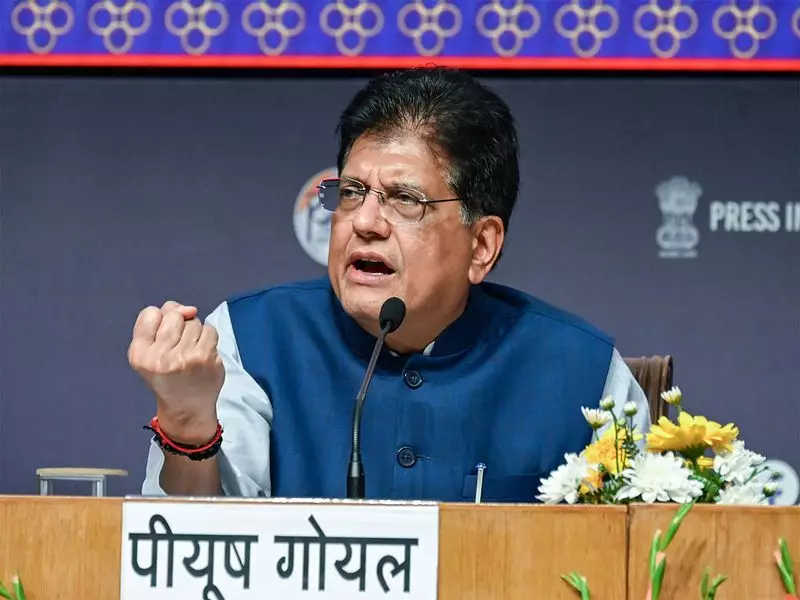
Commerce and Industry Minister Piyush Goyal has made a significant announcement regarding the upcoming Free Trade Agreement (FTA) between India and the European Union. According to his statement, this landmark trade deal is expected to generate a staggering 7 million jobs in the textiles sector alone, marking a transformative boost for India's economy and employment landscape.
Major Job Creation in Textile Industry
Piyush Goyal emphasized that the India-EU FTA will unlock immense potential for the textile industry, which is a critical component of India's manufacturing and export sectors. The projected creation of 7 million jobs underscores the agreement's capacity to stimulate growth, enhance competitiveness, and provide substantial livelihood opportunities across the country.
Boosting Exports and Economic Growth
The FTA is anticipated to significantly increase India's textile exports to the European Union, one of the world's largest markets. By reducing tariffs and trade barriers, Indian textile manufacturers will gain better access to EU consumers, driving up production and, consequently, job creation. This move aligns with India's broader economic strategies to strengthen its global trade partnerships and foster sustainable development.

Strategic Implications for India's Economy
Beyond job generation, the India-EU FTA is expected to have far-reaching effects on various economic fronts. It will likely attract foreign investment, promote technological advancements in the textile sector, and enhance India's position as a key player in international trade. Piyush Goyal's announcement highlights the government's commitment to leveraging trade agreements for national prosperity and industrial growth.
In summary, the India-EU Free Trade Agreement, as outlined by Commerce Minister Piyush Goyal, promises to be a game-changer for the textile industry, with 7 million new jobs on the horizon. This development not only aims to bolster India's economic resilience but also sets a precedent for future trade collaborations that prioritize job creation and sectoral expansion.