

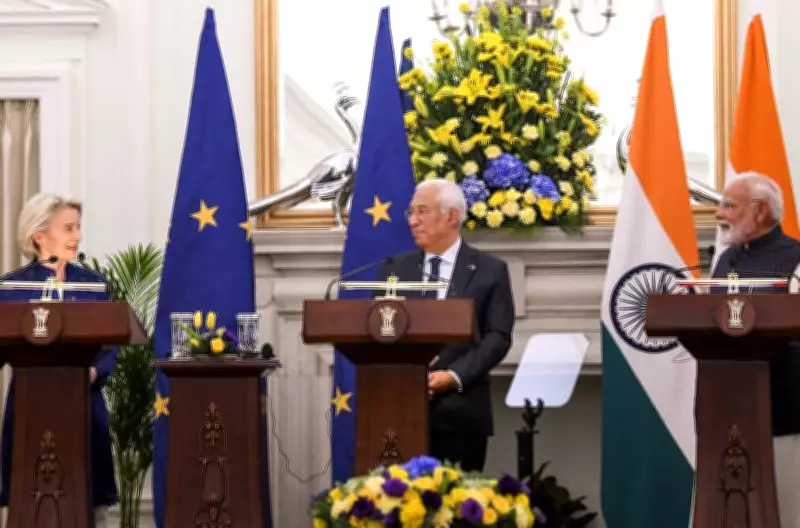
India-EU Trade Agreement: A Multifaceted Strategic Partnership
The proposed trade deal between India and the European Union represents a significant milestone in international relations, transcending traditional economic exchanges to forge a comprehensive strategic alliance. This agreement, currently under negotiation, aims to dismantle tariff barriers and enhance market access, but its implications reach far deeper into the realms of geopolitics, technological innovation, and sustainable development. As global power dynamics shift, this partnership positions both India and the EU as pivotal players in shaping a new world order, moving beyond mere trade metrics to address shared challenges and opportunities.
Geopolitical Significance and Global Influence
At its core, the India-EU deal serves as a counterbalance to rising geopolitical tensions and the dominance of other major economies. By strengthening ties, both parties seek to diversify their economic dependencies and reduce vulnerabilities in an increasingly fragmented global landscape. This collaboration fosters a rules-based international system, promoting stability and cooperation in regions such as the Indo-Pacific and Europe. The agreement underscores a mutual commitment to democratic values and human rights, enhancing their collective voice on the global stage and influencing international policies beyond trade alone.
Technology and Innovation Synergies
Beyond tariffs, the deal emphasizes technology transfer and innovation, creating avenues for joint research and development in critical sectors like artificial intelligence, cybersecurity, and green energy. This synergy leverages India's burgeoning tech talent and the EU's advanced research infrastructure, driving progress in digital transformation and smart manufacturing. Such collaborations not only boost economic growth but also address global challenges such as climate change and digital security, positioning both regions as leaders in the Fourth Industrial Revolution.

Sustainable Development and Environmental Goals
The agreement incorporates robust provisions for sustainable development, aligning with global efforts to combat climate change and promote environmental stewardship. By integrating green standards and circular economy principles, it encourages responsible production and consumption patterns. This focus on sustainability not only benefits the environment but also opens new markets for eco-friendly products and services, fostering long-term economic resilience and social well-being for both India and the EU.
Economic Diversification and Market Expansion
While trade remains a cornerstone, the deal facilitates economic diversification by reducing non-tariff barriers and streamlining regulatory frameworks. This enhances market access for Indian goods in Europe and European investments in India, stimulating job creation and industrial growth. The partnership also supports small and medium enterprises through capacity-building initiatives, ensuring inclusive economic development that extends beyond large corporations to benefit broader segments of society.
Cultural and Educational Exchanges
In addition to economic and technological aspects, the agreement promotes cultural and educational exchanges, strengthening people-to-people ties. Programs for student mobility, academic collaborations, and cultural diplomacy enrich mutual understanding and foster a shared sense of global citizenship. These soft power elements complement the hard economic benefits, creating a holistic partnership that nurtures long-term trust and cooperation between India and the EU.
In summary, the India-EU trade deal is a transformative initiative that goes well beyond conventional trade agreements. It embodies a strategic vision for a multipolar world, where economic integration serves as a foundation for broader geopolitical, technological, and sustainable advancements. As negotiations progress, this partnership promises to redefine global alliances and contribute to a more equitable and prosperous future for both regions and beyond.






