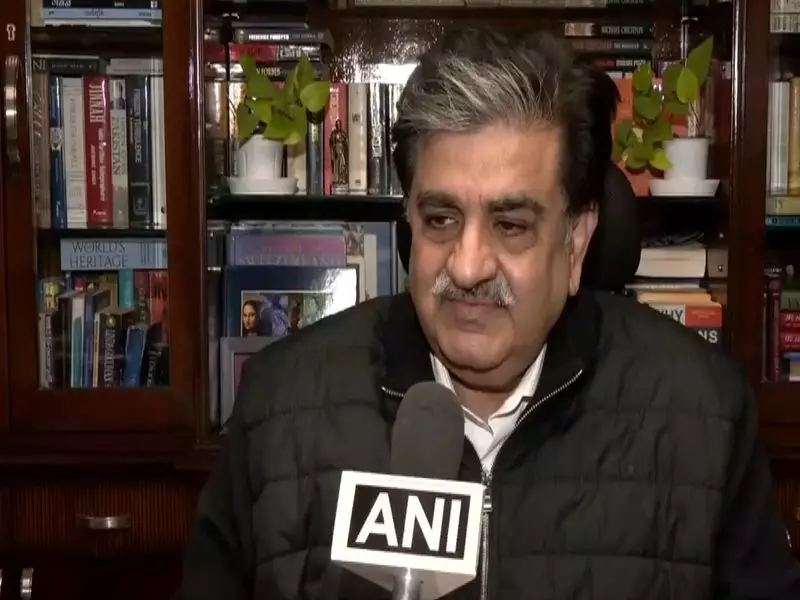
The proposed free trade agreement (FTA) between India and the European Union is set to become a major catalyst for the country's electronics sector, with projections indicating exports could surge beyond $100 billion by the year 2035. This optimistic forecast was highlighted by Pankaj Mohindroo, Chairman of the India Cellular and Electronics Association (ICEA), who emphasized the transformative potential of the trade pact.
Strategic Partnership to Unlock Export Potential
Mohindroo pointed out that the India-EU FTA, currently under negotiation, is expected to create a more favorable trade environment by reducing tariffs and addressing non-tariff barriers. This strategic partnership aims to enhance market access for Indian electronics manufacturers in the lucrative European market, which is one of the world's largest importers of electronic goods.
Key Drivers of Growth
The anticipated growth in electronics exports is driven by several factors:

- Tariff Reductions: Lower import duties on electronics components and finished products will make Indian goods more competitive in the EU.
- Supply Chain Integration: The FTA is likely to facilitate smoother supply chain operations, encouraging investments in manufacturing hubs.
- Innovation and R&D: Increased collaboration between Indian and European firms could spur innovation, leading to higher-value exports.
Impact on India's Economic Landscape
If realized, this export milestone would represent a significant leap for India's electronics industry, which has been a focal point of the government's Make in India and Production Linked Incentive (PLI) schemes. Mohindroo noted that achieving the $100 billion target would not only boost foreign exchange earnings but also create millions of jobs and strengthen India's position as a global electronics manufacturing hub.
Challenges and Opportunities
While the prospects are promising, Mohindroo acknowledged that realizing this potential will require addressing challenges such as infrastructure gaps, skill development, and regulatory harmonization. However, he expressed confidence that with continued policy support and private sector investment, the industry is well-positioned to capitalize on the opportunities presented by the India-EU trade pact.
The ICEA chairman's remarks underscore the critical role of international trade agreements in shaping India's economic future, particularly in high-growth sectors like electronics. As negotiations progress, stakeholders are closely monitoring developments, hopeful that a finalized FTA will pave the way for unprecedented export growth and economic prosperity.