India Expands Energy Import Sources to 41 Nations Amid West Asia Tensions
In a strategic maneuver to bolster its energy security, India has dramatically expanded the number of countries from which it imports energy, increasing from 21 to 41 nations. This significant diversification comes as a direct response to the ongoing conflicts and geopolitical instability in West Asia, which have historically posed risks to global energy supplies.
Strategic Shift in Energy Policy
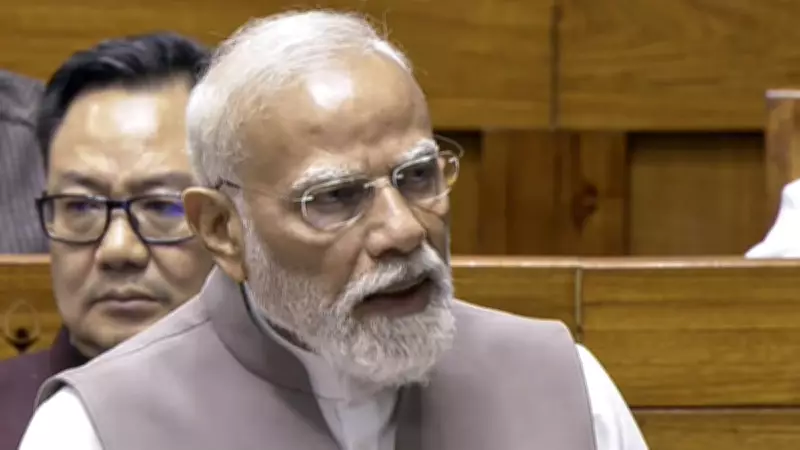
Prime Minister Narendra Modi has emphasized this expansion as a critical component of India's long-term energy strategy. By broadening its import base, India aims to reduce its dependence on any single region or country, thereby mitigating potential disruptions caused by regional conflicts or political tensions. This move is seen as a proactive step to ensure a stable and reliable flow of energy resources to meet the growing demands of its economy.
The decision to increase energy import sources reflects a broader trend in India's foreign and economic policies, focusing on resilience and self-reliance. It aligns with the government's efforts to secure affordable and diverse energy supplies, which are essential for sustaining industrial growth and supporting the nation's development goals.

Impact of West Asia Conflicts
The conflicts in West Asia have long been a concern for energy-importing nations like India, given the region's significant role in global oil and gas production. By expanding its import network to include 41 countries, India is not only safeguarding against supply shocks but also leveraging new partnerships across different continents. This includes tapping into emerging energy markets in Africa, Latin America, and other parts of Asia.
This diversification strategy is expected to enhance India's bargaining power in international energy markets, potentially leading to more favorable pricing and terms. It also underscores the country's commitment to maintaining energy security as a top priority, even in the face of global uncertainties.
Future Implications and Global Context
The expansion of energy import sources is likely to have far-reaching implications for India's economy and its position in the global energy landscape. By reducing vulnerability to regional conflicts, India can better manage its energy costs and ensure continuity in supply, which is crucial for sectors such as manufacturing, transportation, and agriculture.
Moreover, this move positions India as a more resilient player in the international arena, capable of adapting to changing geopolitical dynamics. It also highlights the importance of energy diplomacy in today's interconnected world, where securing resources is key to national security and economic stability.
In summary, India's decision to expand its energy import sources from 21 to 41 countries marks a significant step toward greater energy independence and security. Amid the challenges posed by West Asia conflicts, this strategic diversification, championed by PM Modi, is set to play a vital role in shaping India's energy future and supporting its economic aspirations.