

India Secures Five-Year Most-Favoured Nation Status in Landmark EU Trade Agreement
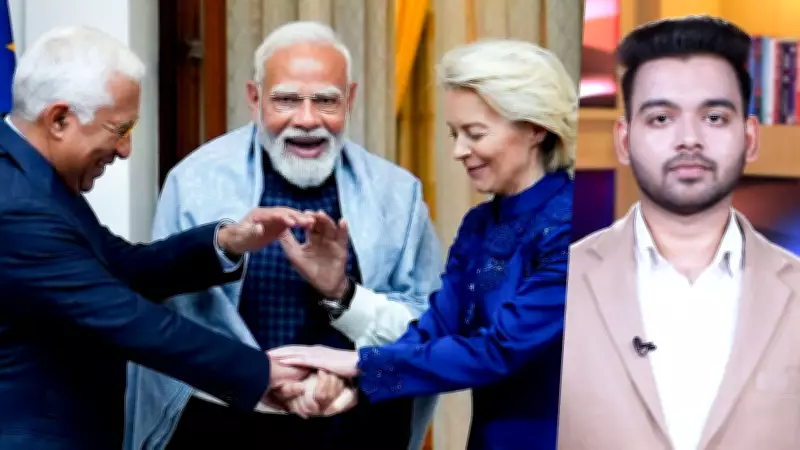
In a monumental development for global trade relations, India and the European Union have officially signed a historic Free Trade Agreement on January 27, 2026. This landmark pact concludes an extensive 18-year negotiation period and establishes a robust framework for enhanced economic cooperation between the two major economic powers.
Key Provisions of the Agreement
The centerpiece of this comprehensive agreement is the granting of five-year Most-Favoured Nation (MFN) status to India. This crucial provision guarantees non-discriminatory treatment for Indian goods and services within the European Union market, ensuring that India receives trade terms at least as favorable as those extended to any other nation.
The agreement encompasses several critical areas:

- Expanded market access for Indian exporters to the EU's 27-nation bloc
- Special emphasis on labor-intensive sectors including textiles, leather goods, and jewellery
- Predictable market conditions for services sectors such as information technology and consulting
- Comprehensive provisions for long-term trade protections
- Framework for digital trade facilitation and supply chain integration
Economic Implications for India
This agreement represents a significant victory for Indian exporters who will now enjoy unprecedented access to one of the world's largest consumer markets. The structured framework provides stability and predictability that will encourage increased investment and trade flows between India and European Union member states.
The services sector stands to benefit substantially from this arrangement, with Indian IT companies, consulting firms, and professional service providers gaining clearer pathways to European markets. This development comes at a crucial time as India seeks to expand its global services footprint beyond traditional markets.
Strategic Significance and Future Outlook
The signing of this Free Trade Agreement underscores India's growing influence in international trade negotiations and represents a major step forward in strengthening India-EU economic relations. The inclusion of digital trade provisions reflects the evolving nature of global commerce and positions both parties to capitalize on emerging technological opportunities.
This agreement establishes a foundation for sustained economic cooperation that extends beyond simple tariff reductions, incorporating modern trade elements that address contemporary economic challenges. The structured approach to supply chain integration promises to create more resilient trade networks between India and Europe.
As implementation begins, both parties will work to realize the full potential of this historic agreement, which promises to reshape trade dynamics between two of the world's most significant economic regions for years to come.






