

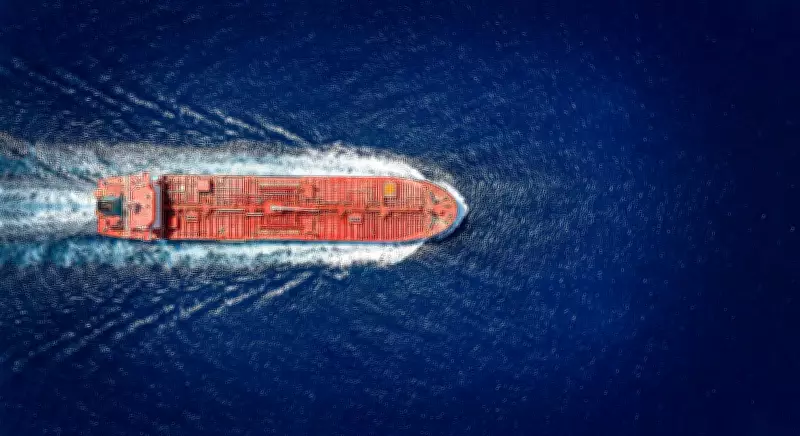
India Welcomes First Iranian Oil Shipment in Seven Years
In a landmark development for global energy markets, India has officially resumed imports of Iranian crude oil after a hiatus of seven years. This significant move underscores a strategic shift in bilateral trade relations and energy procurement strategies. The resumption comes as tankers have successfully docked at key Indian ports, signaling a potential revival of economic ties between the two nations.
Tankers Dock at Strategic Ports
The second vessel involved in this historic shipment, identified as the Curacao-flagged tanker Jaya, has moored near Paradip Port on the east coast of Odisha. This port is a critical hub for India's oil and gas industry, facilitating the handling of large-scale energy imports. The arrival of the Jaya follows the docking of the first tanker, which initiated the renewed flow of Iranian oil into the country. These events mark a pivotal moment in India's efforts to diversify its energy sources and enhance energy security.
The resumption of Iranian oil imports is expected to have far-reaching implications for India's economy and its position in the global energy landscape. Prior to the hiatus, Iran was a major supplier of crude oil to India, but sanctions and geopolitical tensions led to a suspension of trade. The recent developments suggest a thaw in relations and a mutual interest in re-establishing commercial links. This could potentially lower oil prices for Indian consumers and reduce dependency on other suppliers, such as those from the Middle East and the United States.

Background and Implications
The hiatus in Iranian oil imports began in 2019, driven by international sanctions and diplomatic pressures. During this period, India relied heavily on alternative sources, including imports from Saudi Arabia, Iraq, and the United States. The decision to resume imports from Iran reflects careful diplomatic maneuvering and a reassessment of energy needs amid fluctuating global oil prices. Experts believe that this move could strengthen India's negotiating power in international energy markets and foster closer economic cooperation with Iran.
Key stakeholders, including the Indian Oil Corporation Limited (IOCL), have been instrumental in facilitating these imports. As one of India's largest state-owned oil and gas companies, IOCL plays a crucial role in managing the country's energy infrastructure and import logistics. The successful docking of tankers at Paradip Port and other key locations highlights the efficiency of India's port operations and the readiness of its energy sector to adapt to changing trade dynamics.
Future Prospects and Global Context
Looking ahead, the resumption of Iranian oil imports could pave the way for enhanced bilateral trade between India and Iran. Potential areas of cooperation include investments in energy infrastructure, joint ventures in oil exploration, and expanded trade in other commodities. This development also occurs against the backdrop of evolving global energy policies, where nations are increasingly seeking to balance economic interests with geopolitical considerations.
In summary, the arrival of Iranian oil tankers in India after seven years marks a significant milestone in the country's energy strategy. It not only diversifies India's oil supply but also signals a potential realignment in international trade relations. As the situation unfolds, stakeholders will closely monitor the impact on oil prices, diplomatic ties, and the broader energy market.






