

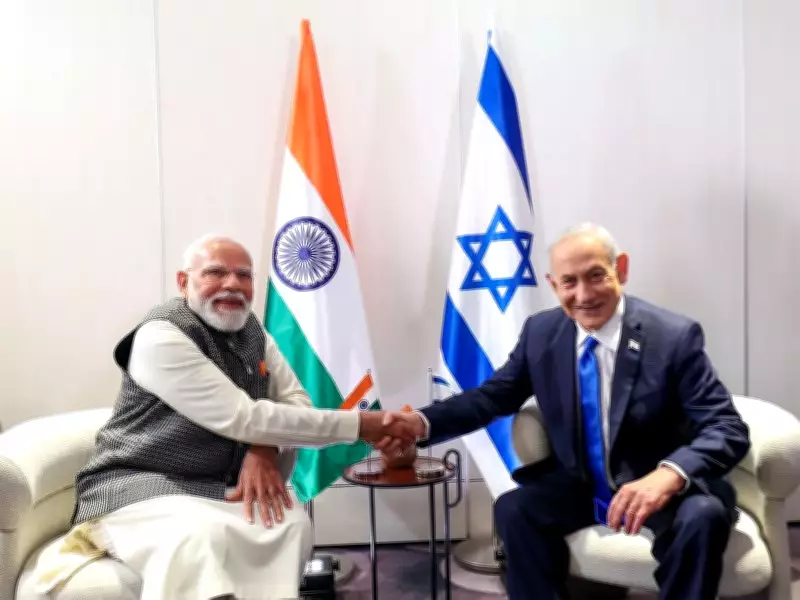
India and Israel Successfully Conclude First Round of Free Trade Agreement Talks
In a significant development for international trade, India and Israel have officially concluded the first round of negotiations for a Free Trade Agreement (FTA). This milestone marks a pivotal step forward in strengthening the economic partnership between the two nations, with both sides expressing optimism about the progress achieved.
Prime Ministers Modi and Netanyahu Hail Positive Outcomes
Prime Minister Narendra Modi of India and Prime Minister Benjamin Netanyahu of Israel have publicly lauded the advancements made during these initial talks. In statements released following the conclusion of the round, both leaders emphasized the mutual benefits that an FTA would bring, including enhanced trade flows, increased investment opportunities, and deeper economic integration.
Key highlights from the negotiations include:

- Discussions focused on reducing tariffs and non-tariff barriers to boost bilateral trade.
- Exploration of sectors such as technology, agriculture, and defense for potential collaboration.
- Commitment to addressing regulatory issues to facilitate smoother business operations.
Strategic Importance of the India-Israel FTA
The FTA talks are part of a broader strategic effort to deepen ties between India and Israel, two nations with robust diplomatic relations. Over the years, bilateral trade has grown steadily, and this agreement aims to accelerate that growth by creating a more favorable trade environment. Experts suggest that an FTA could significantly increase trade volumes, which currently stand at several billion dollars annually.
This development comes at a time when both countries are seeking to diversify their economic partnerships and enhance global competitiveness. The successful conclusion of the first round sets a positive tone for future negotiations, with subsequent rounds expected to delve into more detailed aspects of the agreement.
Next Steps and Future Prospects
Following this initial round, officials from both nations are set to review the outcomes and prepare for the next phase of talks. The goal is to finalize the FTA in a timely manner, with a focus on ensuring it is comprehensive and mutually beneficial. Stakeholders from various industries are closely monitoring the progress, anticipating new opportunities for growth and collaboration.
In summary, the conclusion of the first round of India-Israel FTA talks represents a major step forward in bilateral relations. With strong political support from Prime Ministers Modi and Netanyahu, the path is now paved for further negotiations that could reshape economic ties between these two dynamic nations.






