

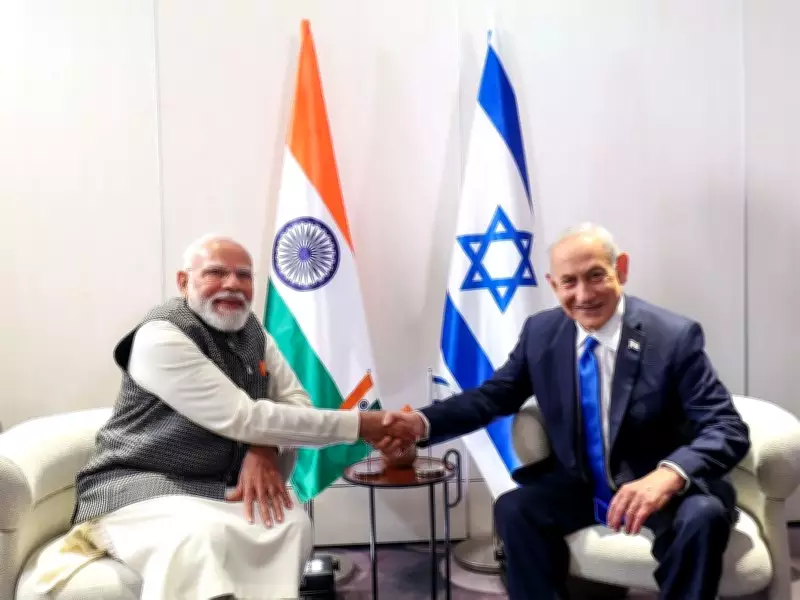
The Evolution of India-Israel Economic Relations
Over the years, the bilateral economic relations between India and Israel have undergone a significant transformation, evolving from a modest beginning to a robust and multifaceted partnership. This journey reflects the deepening strategic ties between the two nations, driven by shared interests and complementary strengths.
Historical Context and Early Engagements
The foundation of India-Israel economic relations was laid in the early 1990s, following the establishment of full diplomatic ties in 1992. Initially, the focus was primarily on defense and security cooperation, with Israel emerging as a key supplier of advanced military technology to India. This early phase set the stage for broader economic interactions, as both countries recognized the potential for collaboration beyond the defense sector.
Key Sectors Driving Bilateral Growth
Defense and Security: Defense has been a cornerstone of the economic relationship, with India being one of the largest importers of Israeli defense equipment. This includes deals for missiles, drones, and surveillance systems, which have bolstered India's military capabilities and contributed significantly to bilateral trade volumes.

Agriculture and Water Technology: Israel's expertise in agriculture, particularly in areas like drip irrigation, water management, and dairy farming, has found a receptive market in India. Collaborative projects and technology transfers have helped enhance agricultural productivity in India, addressing challenges related to water scarcity and food security.
Technology and Innovation: The partnership has expanded into high-tech sectors, with collaborations in cybersecurity, artificial intelligence, and space technology. Israeli startups and tech firms have increasingly engaged with Indian counterparts, fostering innovation and knowledge exchange that benefits both economies.
Trade and Investment Trends
Bilateral trade between India and Israel has shown steady growth, reaching billions of dollars annually. Key exports from India to Israel include diamonds, chemicals, and textiles, while Israel exports defense equipment, electronics, and machinery to India. Investment flows have also increased, with Indian companies investing in Israeli tech startups and Israeli firms exploring opportunities in India's growing market.
Recent years have seen a diversification of trade, moving beyond traditional sectors to include areas like healthcare, renewable energy, and digital services. This shift underscores the dynamic nature of the economic relationship, adapting to global trends and domestic priorities.
Challenges and Future Prospects
Despite the progress, challenges such as geopolitical factors, regulatory hurdles, and competition from other partners persist. However, both nations have demonstrated a commitment to overcoming these obstacles through diplomatic dialogues and joint initiatives.
Looking ahead, the future of India-Israel economic relations appears promising, with potential for further expansion in sectors like:
- Renewable energy and sustainability projects
- Healthcare and biotechnology collaborations
- Digital economy and fintech innovations
The strategic partnership is poised to deepen, driven by mutual economic interests and a shared vision for technological advancement and regional stability.






