

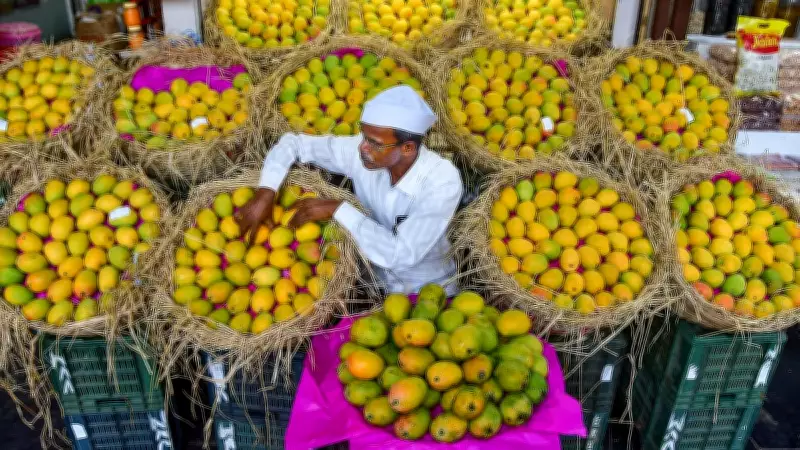
India's reputation as a reliable exporter in international markets has taken a blow after Nepal and Japan imposed restrictions on mango imports from the country. While these two nations account for only a small fraction of India's overall mango exports, the developments are seen as a significant setback to the country's credibility.
Details of the Restrictions
Nepal has tightened its import norms for Indian mangoes, citing concerns over pesticide residues and quality standards. Similarly, Japan has introduced stricter phytosanitary requirements, making it harder for Indian mangoes to enter the Japanese market. These measures have raised questions about India's adherence to international quality benchmarks.
Impact on Exports
Although Nepal and Japan together represent a minor share of India's mango export volume, the symbolic impact is substantial. India is one of the world's largest mango producers, and any perception of substandard quality can harm its brand image in other key markets such as the Middle East, Europe, and the United States.

The restrictions come at a time when India is looking to expand its agricultural exports. The government has been promoting initiatives like the Agricultural Export Policy to boost shipments. However, such incidents underscore the need for stricter quality control measures at the production and processing levels.
Industry Reaction
Exporters have expressed concern over the situation. Many believe that the issue is not widespread but stems from isolated incidents of non-compliance. They have urged the government to address the concerns of importing countries promptly and to strengthen certification processes to prevent future disruptions.
- Nepal's new norms include mandatory testing for pesticide residues.
- Japan's requirements now demand additional fumigation and documentation.
- Indian exporters are working with agricultural authorities to meet the new standards.
Way Forward
To restore confidence, India needs to invest in better quality assurance systems and traceability mechanisms. Collaboration with importing countries on technical standards could also help. The government has assured exporters that it is engaging with Nepal and Japan to resolve the issues.
The long-term goal is to ensure that Indian mangoes continue to be a preferred choice globally, known for their taste and quality. Addressing these challenges is crucial for maintaining India's position in the competitive global fruit market.






