

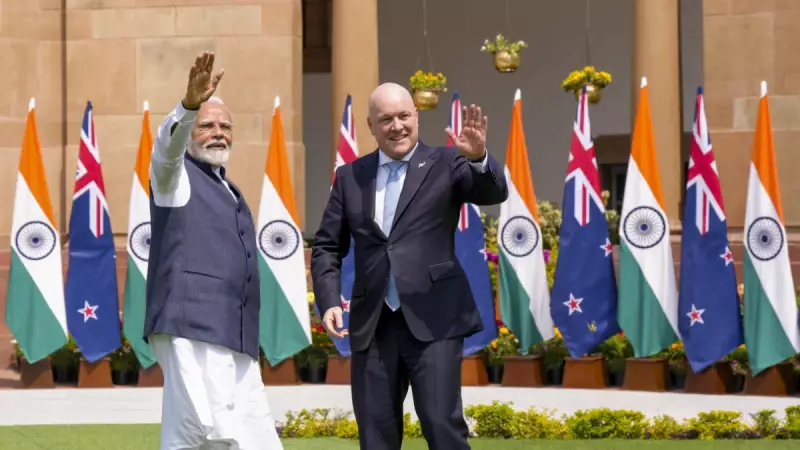
In a significant development poised to reshape bilateral trade, India and New Zealand have successfully concluded negotiations for a comprehensive Free Trade Agreement (FTA). The pact, set to be implemented from the start of 2025, promises to unlock substantial opportunities for Indian exporters by granting duty-free access for key sectors like textiles and engineering goods in the New Zealand market.
Key Highlights of the India-New Zealand FTA
The finalized agreement marks the culmination of extensive diplomatic and trade discussions between the two nations. A cornerstone of this FTA is the elimination of tariffs on a wide range of Indian products. This move is strategically targeted to boost India's outbound shipments and correct the existing trade imbalance. New Zealand has historically enjoyed a trade surplus with India, and this agreement is designed to provide a more level playing field.
Among the major beneficiaries are India's textile and apparel industry and the engineering goods sector. These industries, which are major employment generators and contribute significantly to India's export basket, will gain a strong competitive edge. The removal of import duties will make Indian products like garments, fabrics, and machinery more price-attractive for New Zealand businesses and consumers, potentially leading to a sharp increase in export volumes.

Strategic Impact and Economic Implications
This FTA is not merely a tariff-elimination exercise; it is a strategic economic partnership. By securing preferential access to a developed market like New Zealand, India strengthens its position in the Indo-Pacific region. The agreement is expected to enhance bilateral trade, which currently stands at over USD 1 billion, and foster greater investment flows. It also complements India's broader strategy of engaging with key global partners through balanced and mutually beneficial trade deals.
For New Zealand, the deal provides smoother access to one of the world's largest and fastest-growing consumer markets. It allows Kiwi exporters, particularly in sectors like dairy, forestry, and education services, to deepen their engagement with India under a stable and predictable trade framework. The pact includes chapters on modern trade issues, ensuring it addresses contemporary economic challenges.
The Road Ahead: Implementation and Expectations
With the text of the agreement finalized, the focus now shifts to the legal scrubbing and domestic ratification processes in both countries. The timeline is clear: the provisions are slated to come into force on January 1, 2025. Indian industry bodies have welcomed the development, urging businesses to start preparing to leverage the new opportunities.
Analysts predict that the India-New Zealand FTA could serve as a model for future agreements with other developed economies. It demonstrates India's capability to negotiate complex deals that protect its core interests while opening new avenues for its exporters. As 2025 approaches, all eyes will be on the tangible boost this partnership delivers to jobs, growth, and the economic relationship between India and New Zealand.






