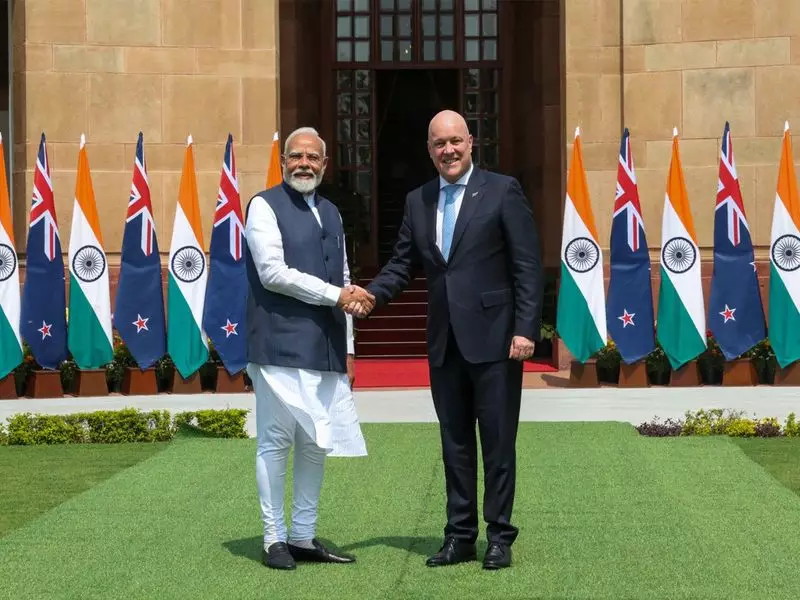
The long-anticipated Free Trade Agreement (FTA) between India and New Zealand is poised to unlock significant opportunities for Indian exporters across a diverse range of sectors. The pact, which has been under negotiation, aims to create a more favorable trade environment by reducing tariffs and addressing non-tariff barriers. This strategic move is expected to provide a substantial boost to India's outbound shipments in key industries where it holds a competitive advantage.
Key Sectors Set for Major Gains
According to trade experts and officials, the India-New Zealand FTA will have a pronounced positive impact on several core segments of the Indian economy. The textiles and apparel sector, a traditional strength for India, is anticipated to see a significant surge in exports to the New Zealand market. Similarly, the pharmaceuticals industry, renowned for its high-quality and cost-effective generic medicines, is expected to gain deeper market access, building on India's reputation as the 'pharmacy of the world'.
Beyond these, the engineering goods sector, encompassing machinery, auto components, and electrical equipment, is projected to find a robust new outlet for its products. The agriculture and processed food industries also stand to benefit, with potential for increased exports of specific fruits, spices, and other value-added food products that cater to New Zealand's demand.

Services and Strategic Partnership
The agreement's scope extends beyond merchandise trade to include the dynamic services sector. This opens avenues for Indian professionals in areas such as information technology (IT), IT-enabled services (ITeS), architecture, engineering, and nursing. Enhanced mobility and mutual recognition of professional qualifications could be key components, facilitating the movement of skilled personnel and boosting services exports.
The FTA is more than just a trade deal; it is seen as a step towards strengthening the broader strategic and economic partnership between the two democracies in the Indo-Pacific region. By creating predictable trade rules, it will provide businesses on both sides with the confidence to invest in long-term partnerships and supply chains.
Addressing the Trade Imbalance
A primary objective for India in these negotiations is to address the existing trade imbalance. Currently, New Zealand enjoys a trade surplus with India. The FTA is strategically designed to tilt the scales by providing Indian products with better market access through the elimination or reduction of high tariffs that have historically made them less competitive in the New Zealand market.
Successful implementation of the agreement is expected to create a more level playing field, allowing Indian goods and services to compete effectively. This could lead to a more balanced trade relationship that is sustainable and mutually beneficial in the long run.
In conclusion, the India-New Zealand Free Trade Agreement represents a forward-looking economic partnership with tangible benefits for key Indian export sectors. From manufactured goods like textiles and engineering products to pharmaceuticals and services, the pact promises to open new doors for Indian businesses. As negotiations progress towards finalization, stakeholders across these industries are optimistic about the potential for growth, job creation, and a stronger economic footprint for India in a vital global market.