

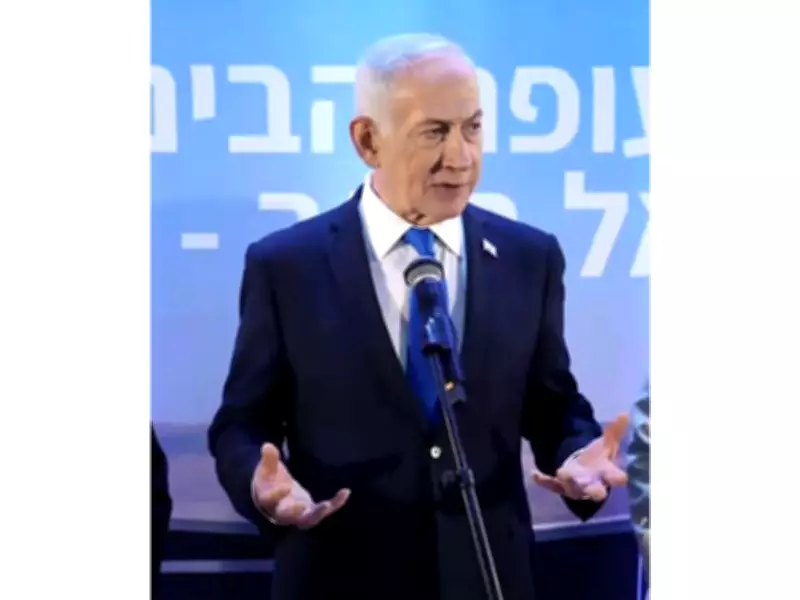
Netanyahu Justifies US-Israeli Strikes in Iran as Defense Against 'Theological Thuggery'
Israeli Prime Minister Benjamin Netanyahu has publicly defended the recent military strikes conducted by the United States and Israel in Iran, framing them as a necessary measure to safeguard global security. In a statement that has drawn international attention, Netanyahu asserted that such actions are not a terrible thing when they aim to protect the world from what he termed theological thuggery. This phrase underscores his view of Iran's actions as driven by extremist religious ideologies that threaten peace and stability.
Context of the Strikes and Netanyahu's Remarks
The strikes, which targeted Iranian facilities, are part of an ongoing effort by the US and Israel to counter Iran's military capabilities and regional influence. Netanyahu's comments come amid heightened tensions in the Middle East, with Iran often accused of supporting militant groups and pursuing nuclear ambitions. He emphasized that the collaborative efforts between the US and Israel are crucial in preventing Iran from advancing its aggressive policies, which he believes pose a direct threat to international order.
Netanyahu elaborated that protecting the world from theological thuggery involves preemptive actions to disrupt Iran's ability to launch attacks or spread instability. He argued that these strikes are a form of self-defense and a moral obligation, rather than an act of aggression. This perspective aligns with Israel's long-standing policy of taking proactive measures against perceived threats, particularly from Iran and its proxies in the region.

International Reactions and Implications
The remarks have sparked varied reactions globally. Supporters of Netanyahu's stance, including some Western allies, view the strikes as a justified response to Iran's provocations and a way to deter future conflicts. They argue that Iran's theocratic regime, with its history of hostility towards Israel and the West, necessitates such military interventions to maintain regional balance.
However, critics, including some international bodies and nations sympathetic to Iran, have condemned the strikes as escalatory and a violation of sovereignty. They warn that such actions could lead to further violence and destabilize the already volatile Middle East. The debate highlights the complex geopolitical dynamics at play, with Netanyahu's framing of the issue as a battle against theological thuggery adding a ideological dimension to the conflict.
Broader Strategic Considerations
Netanyahu's defense of the US-Israeli strikes reflects broader strategic goals. By emphasizing the protection of the world, he seeks to garner international support and justify Israel's security policies. This approach also reinforces the alliance with the United States, which has been a key partner in countering Iranian influence through diplomatic and military means.
Looking ahead, Netanyahu indicated that Israel will continue to collaborate with the US and other allies to monitor and respond to threats from Iran. He stressed that the goal is not merely to retaliate but to create a safer environment by curbing Iran's capacity for aggression. This ongoing strategy is likely to shape future interactions in the region, as both sides navigate the delicate balance between deterrence and escalation.
In summary, Netanyahu's comments underscore a firm stance on using military force as a tool against what he perceives as ideological threats, setting the stage for continued tensions and diplomatic maneuvering in the Middle East.






