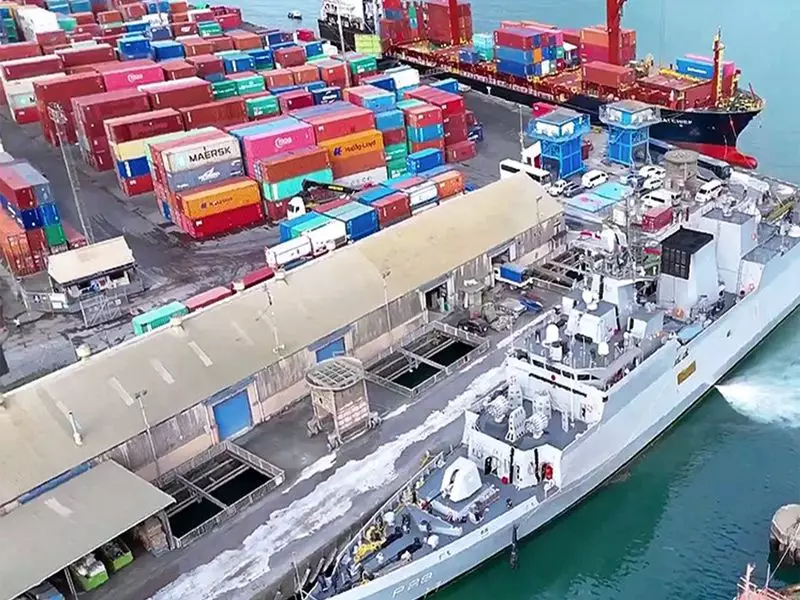
The landmark Free Trade Agreement (FTA) between India and New Zealand, currently in its final negotiation stages, is poised to deliver a significant economic boost. The pact promises to unlock substantial gains for Indian exporters through enhanced market access and create new employment opportunities by facilitating the movement of skilled professionals.
Key Pillars of the Trade Deal: Market Access and Mobility
Central to the agreement is the provision of zero-duty access for a wide range of Indian goods entering the New Zealand market. This tariff elimination is expected to make Indian products like textiles, apparel, pharmaceuticals, and processed foods far more competitive. New Zealand, in turn, will gain improved access for its dairy products, wines, and kiwifruit, though likely with safeguards for sensitive Indian sectors.
Beyond goods, a major win for India lies in the services and mobility chapter. The FTA is designed to streamline the temporary movement of Indian professionals, including chartered accountants, engineers, and IT experts. This will allow them to work on projects in New Zealand more easily, addressing skill shortages there while generating valuable overseas employment and remittances for India.

Economic Impact and Strategic Importance
The economic implications are profound. By reducing tariff barriers, Indian exports are projected to see a sharp rise. Sectors like information technology, education, and tourism are also set to benefit from the smoother exchange of services. The agreement aligns with India's broader strategy to deepen economic ties with the Indo-Pacific region and diversify its trade partnerships.
Officials highlight that the deal is comprehensive and balanced, covering not just trade but also areas like intellectual property, sustainable development, and digital trade. The negotiations, which have gained momentum, aim for a modern agreement that reflects current global economic realities.
What This Means for Businesses and the Workforce
For Indian businesses, especially MSMEs, the FTA opens a lucrative new gateway. The simplified customs procedures and reduced costs will enable them to compete effectively against suppliers from other nations already enjoying preferential access to New Zealand.
For the Indian workforce, the enhanced services mobility provisions translate directly into job creation. Young professionals will have greater opportunities for short-term international assignments, gaining global exposure and contributing to a skilled economy. The overall deal is seen as a catalyst for growth, investment, and stronger bilateral relations between the two nations.
The final agreement, once signed, will mark a new chapter in India-New Zealand economic cooperation, fostering mutual prosperity and resilience in supply chains.