

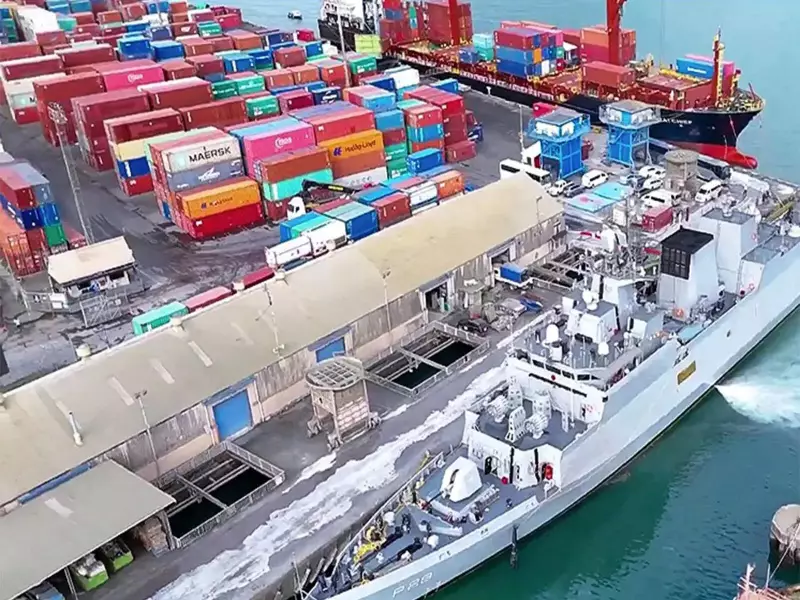
In a significant diplomatic and economic push, the Indian government is actively engaging with Russian authorities to dismantle key barriers hindering the export of Indian products. This initiative is a core part of India's strategy to utilize the massive accumulation of rupees, equivalent to $50-55 billion, currently held in Russian bank accounts due to India's substantial crude oil imports.
Key Export Hurdles in the Russian Market
The negotiations aim to unlock the Russian market for a range of Indian goods, including electronics, engineering products, food items, and fisheries. However, several persistent obstacles are stalling shipments. For the electronics sector, software certification issues with Russian regulators are a primary concern. Meanwhile, Indian engineering goods face stringent technical standards that are difficult to meet.
"Our goods have to contend with some Russian standards and some Eurasian standards, which makes it tough to export," revealed a source familiar with the ongoing discussions. Adding to the complexity, certain product categories also face local language labelling requirements, creating another layer of compliance for Indian exporters.

Addressing a Massive Trade Imbalance
The urgency to resolve these issues stems from India's soaring trade deficit with Russia, which is estimated to be nearly $25 billion in just the first seven months of the current fiscal year. This deficit is largely fueled by India's increased purchases of discounted Russian crude oil following the Ukraine conflict.
With payments for this oil being made in rupees and other currencies, vast sums have accumulated in Russian accounts. Ironically, while Russian retail chains have shown interest in sourcing Indian food and consumer goods, Indian businesses have found it exceptionally hard to ship these products due to the regulatory bottlenecks.
High-Level Talks and Future Prospects
Given the scale of the economic imbalance, the matter has been elevated to the highest levels of government. "We have taken up the issue of strict standards with Russian officials at the highest level and there is appreciation to resolve it," stated an Indian official. This dialogue is set to gain further momentum during the upcoming talks for a broader trade agreement with the Eurasian Economic Union (EAEU), which includes Russia, Armenia, Belarus, Kazakhstan, and Kyrgyzstan, scheduled for next month.
While the trade deficit is expected to narrow slightly as some Indian refiners reduce Russian oil purchases and newer entities adjust supply chains, the fundamental challenge of redirecting the rupee balance remains. The success of these negotiations is crucial for rebalancing trade and creating sustainable export channels for Indian manufacturers and farmers to the vast Eurasian market.






