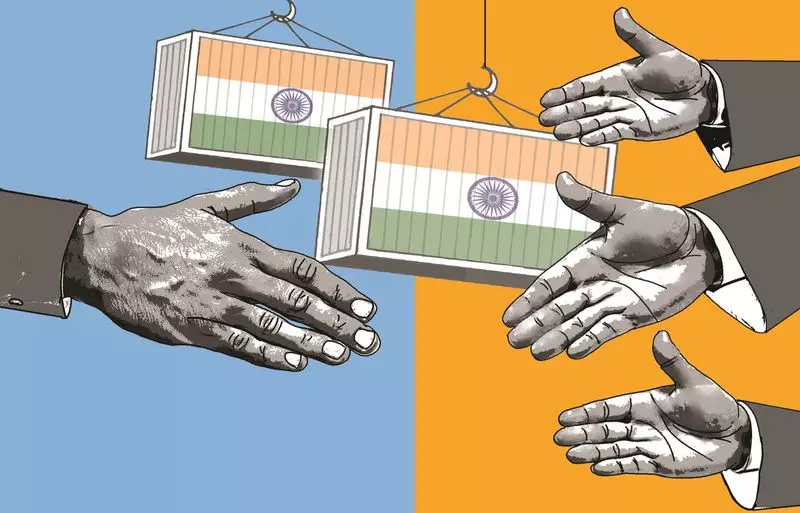
In a strategic shift to counter the economic pressure from steep American tariffs, India is rapidly advancing its network of Free Trade Agreements (FTAs). This move comes as trade tensions translate into tangible job losses in key industrial centers across the country, from Panipat to Ludhiana.
Oman Pact Offers a $3 Billion Lifeline
The push for new trade deals saw a significant milestone on December 18, 2025. In Muscat, in the presence of Prime Minister Narendra Modi and Oman's Sultan Haitham bin Tarik, India signed the Comprehensive Economic Partnership Agreement (CEPA) with Oman. Government officials estimate that this pivotal pact could render over $3 billion worth of Indian exports tariff-free once it is implemented.
This agreement is designed to provide immediate relief for Indian exporters of merchandise goods and services, opening a crucial market and diversifying India's trade dependencies. The Oman CEPA is a clear signal of India's intent to secure alternative pathways for its export economy.

Local Impact of Global Trade Wars
The urgency behind this FTA drive is rooted in domestic distress. The US tariffs, part of broader global trade frictions, are no longer just diplomatic headlines but have severe local consequences. Manufacturing hubs known for textiles, auto parts, and other export-oriented goods are feeling the pinch.
Cities like Panipat, a major center for textiles and handlooms, and Ludhiana, famed for its bicycle and garment industries, have reported job losses as orders from the United States decline due to increased costs from the tariffs. This direct impact on employment has accelerated the government's search for solutions beyond the US market.
A Broader Strategy for Economic Resilience
The agreement with Oman is not an isolated event but part of a concerted campaign. India is simultaneously engaged in advanced negotiations with several other nations to forge similar trade partnerships. The objective is to build a resilient export ecosystem that can withstand protectionist measures from any single economy.
By fast-tracking these FTAs, India aims to:
- Secure tariff-free access for its key export sectors.
- Reduce vulnerability to unilateral tariff actions by large trade partners.
- Stimulate and protect employment in its vital manufacturing clusters.
While the Oman CEPA marks a positive step, the success of this broader strategy will depend on the swift finalization and implementation of agreements with other strategic partners. The coming months will be critical in determining whether this FTA push can effectively cushion the Indian economy and its workforce from external trade shocks.